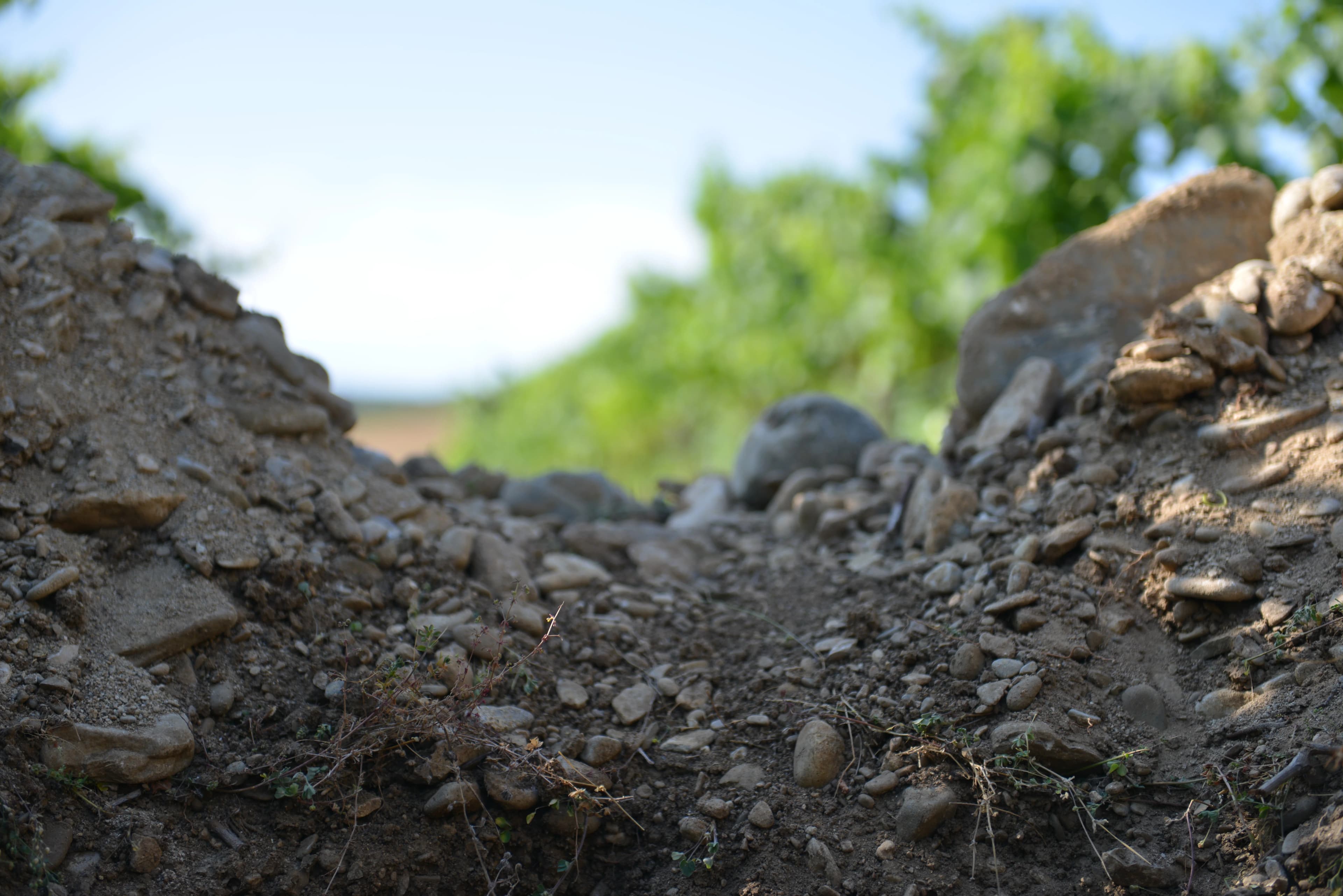
Clay-limestone soil with 22 soil variants
The soils at Otazu are clay-limestone. This limestone component is key in the wines, bringing liveliness, finesse and long life.
D.O.P. Pago de Otazu · Since 2009
Otazu, since its beginnings in the nineties, shows respect for the vineyard, admiration for the landscape in which it emerges and day-to-day dedication to excellence. Since 2009 it holds the “Vino de Pago” recognition — the highest category a vineyard can reach in Spain. Only 27 wineries in the whole country have it.
Much of that singularity comes from the climate. Otazu enjoys a microclimate with Atlantic influence, sheltered to the north by the Sarbil mountains: mild winters, luminous summers and a marked difference in temperature between day and night. These conditions slow down the ripening of the grape — picked about fifteen days later than in the rest of Navarra — favouring aromatic complexity and giving the wines the natural acidity that sustains their freshness, balance and ageing potential.
The terroir in images
Clay-limestone soil with 22 soil variants
The soils at Otazu are clay-limestone. This limestone component is key in the wines, bringing liveliness, finesse and long life.
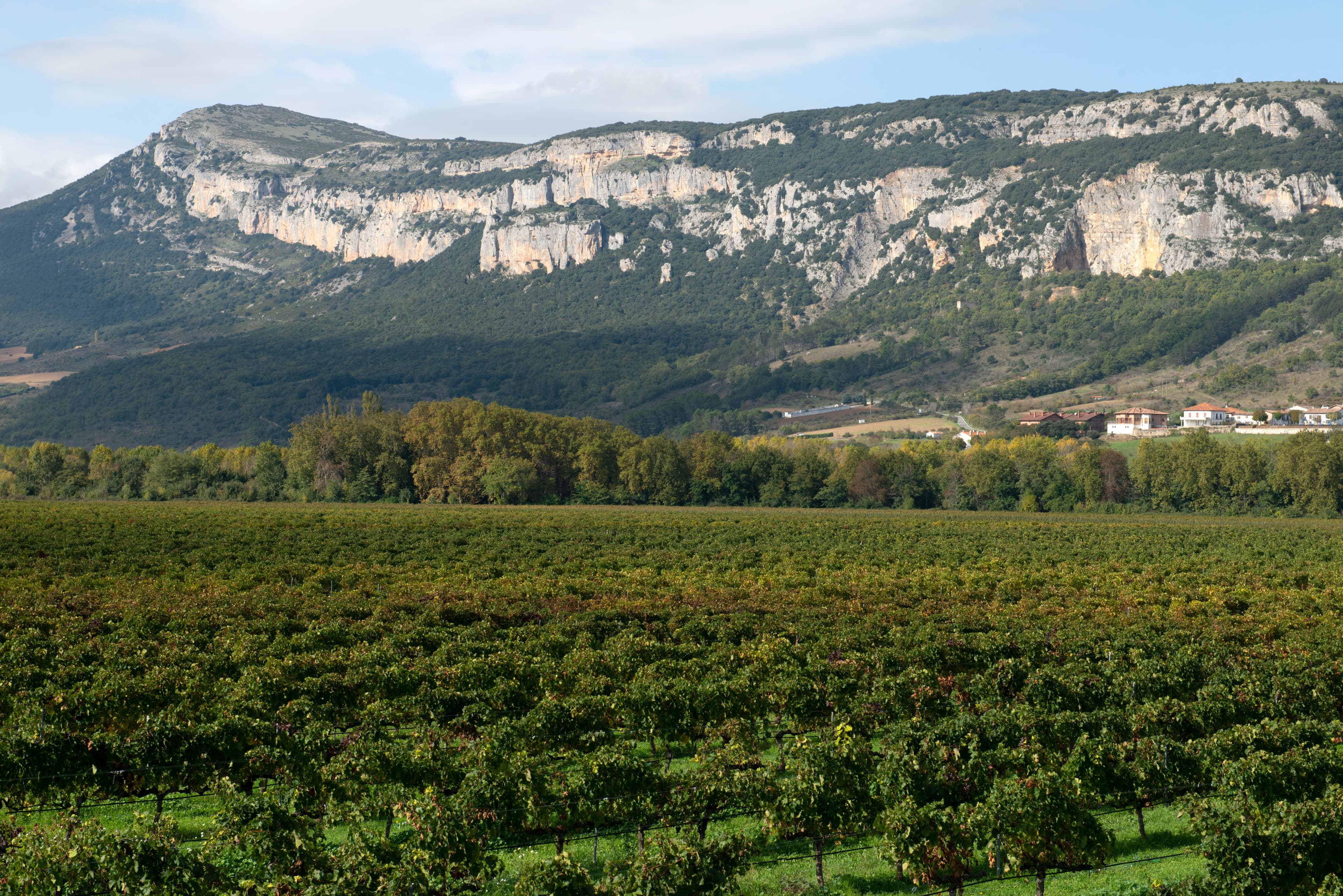
Between Sarbil and Perdón
Otazu is located between the Sarbil and Perdón mountain ranges, exposed to the north winds coming from the Pyrenees and the Cantabrian Sea.
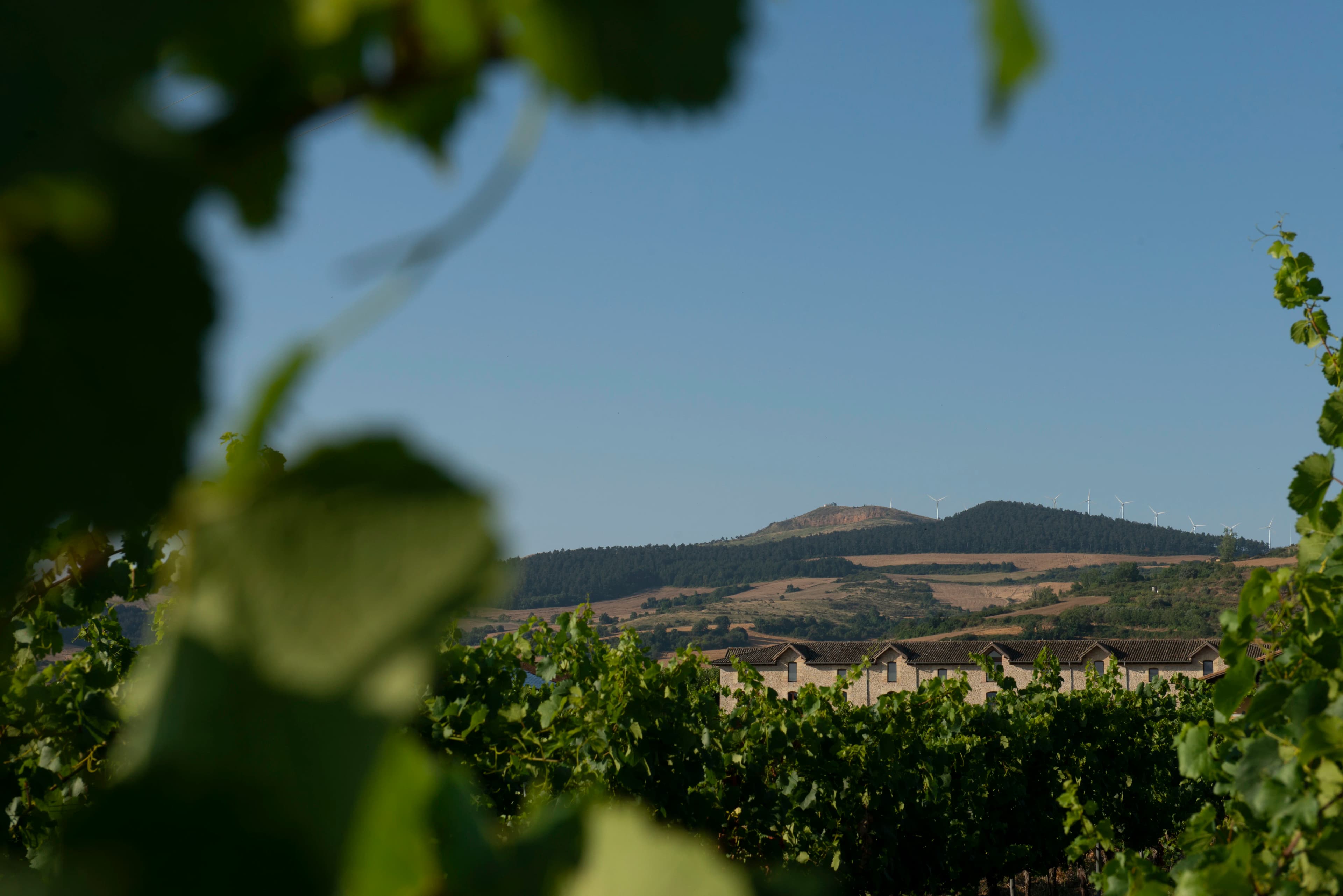
Atlantic climate
The Atlantic climate is defined by this genuine location, where northerly winds prevail, with annual rainfall of 800mm, well distributed throughout the vine’s vegetative cycle. Ripening is slow and balanced, giving fine, elegant wines.
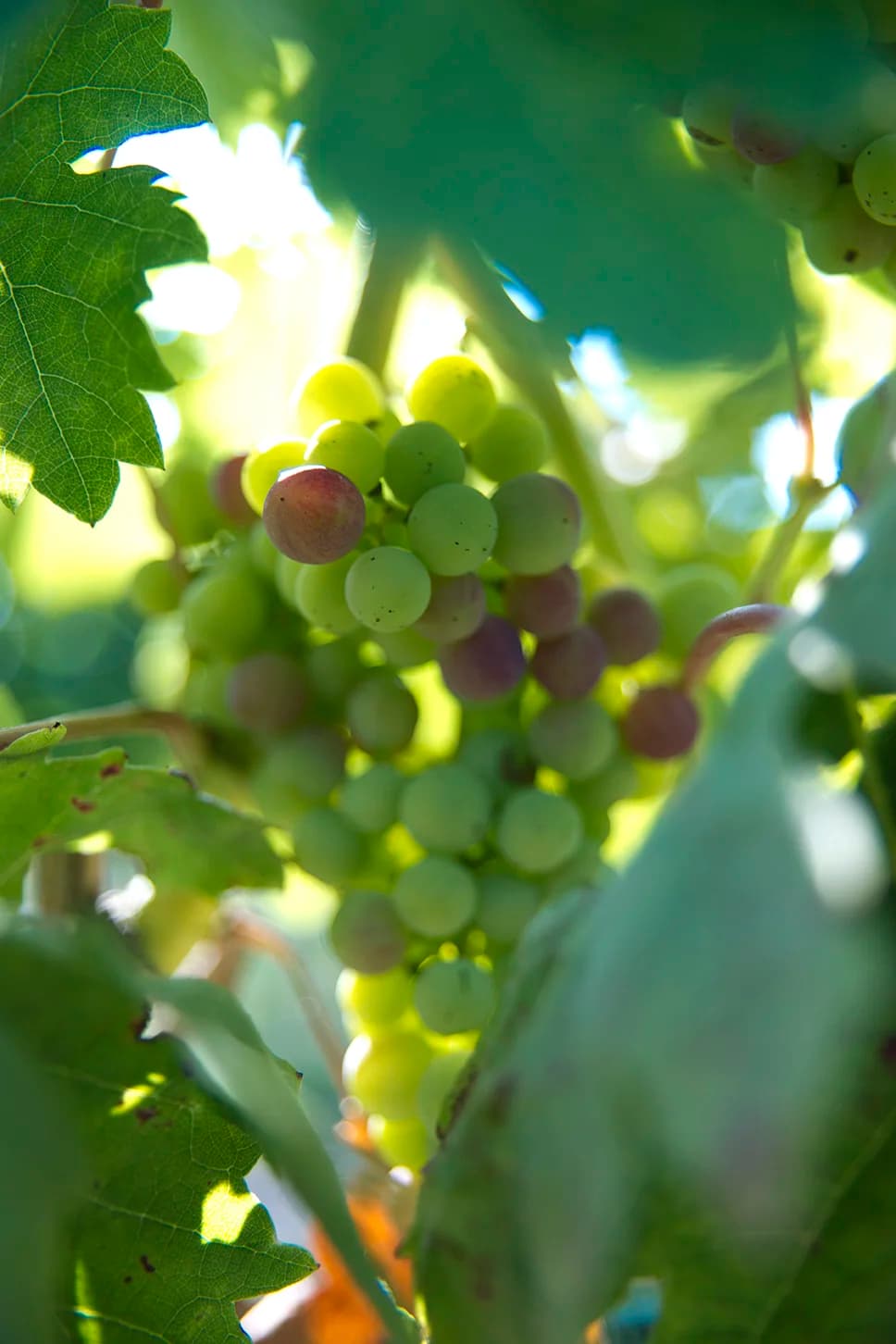
88 ha with more than 30 years of history
Chardonnay, Tempranillo, Merlot and Cabernet Sauvignon on trellis with controlled density and yield. Each plot is harvested and vinified separately to preserve its identity.
Otazu benefits from a climate with Atlantic influence, with significant rainfall in winter and spring and high luminosity in summer. The thermal differences between day and night — from 32 °C to 10 °C — favour the fixing and complexity of the aromatic components.
Ripening takes place approximately 15 days later than in the rest of Navarra. This delay is the source of the natural acidity that gives Otazu wines their ageing capacity.
“The soil is the map and the territory of the vine. Everything is in it: climate, vintage, formation, altitude, variety and the human footprint.”
— Enrique Basarte, Technical Director of Otazu
Distance to Pamplona
8 km
Annual rainfall
800 l/m²
Soil types
22 types
The soil · Bourguignon study
At Otazu, our commitment to understanding the landscape and its surroundings means understanding and improving the natural environment around us.
We start from the ground up: the soil as an essential part of the terroir, living soils where the soul of our wines is forged day after day. Understanding how they work — from their mineral component to the organic matter, the microbiology and the symbiosis with the vine — is key for us. That is why we carried out a detailed study of our soils with the collaboration of the Bourguignon family, world pioneers in the study of vineyard soil.
The soil that defines Otazu is clay-limestone, and that limestone component is decisive in the personality of our wines.
White wines
They are born on clay-limestone soils with a high proportion of calcium carbonate and fine illitic clay, with good drainage and good nutrient storage in the clay-humus complex. They allow the vine deep root development and slow, well-regulated ripening. These are whites with tension and a subtle minerality, sophisticated in breadth, with the freshness and the citrus and floral expression typical of the Atlantic climate.
Red wines
They are born on clay-limestone soils of balanced matrix: a homogeneous mix of clay, silt and sand over limestone bedrock, with good drainage and good nutrient reserves in the clay-humus complex. Root development is deep and ripening slow and regulated. In some horizons there are pebbles and gravels over a clay-limestone matrix, with coarser or finer elements: limestone stones and rounded quartzites. These are reds with ageing potential — elegant, deep and enveloping — that keep a fine, vibrant weave and express each variety in its finest dimension.
The Spanish designation system
The highest category of Spanish wine, regulated by the Wine Law of 2003. It is awarded to vineyards with a singular, unrepeatable terroir, where viticulture, winemaking and bottling all take place on the same estate.
D.O.P. Pago de Otazu — Navarra
Pago Wines — the highest category of Spanish wine, regulated by the Wine Law of 2003. It is awarded to vineyards with a singular terroir, where viticulture, winemaking and bottling all take place on the same estate. Currently, 27 wineries in Spain hold this recognition.

Pago Wines · The highest category of Spanish wine
The Wine Law of 2003 recognised a category higher than the D.O.: the Pago Wine. The vineyard must be treated as a singular ecosystem, and all production — from grape to bottle — must be born and made within the same estate.
Otazu received this distinction in 2009. Its 88 hectares correspond to a terroir with soil and climate conditions that are not replicated anywhere else in Navarra.
The cycle of the vine
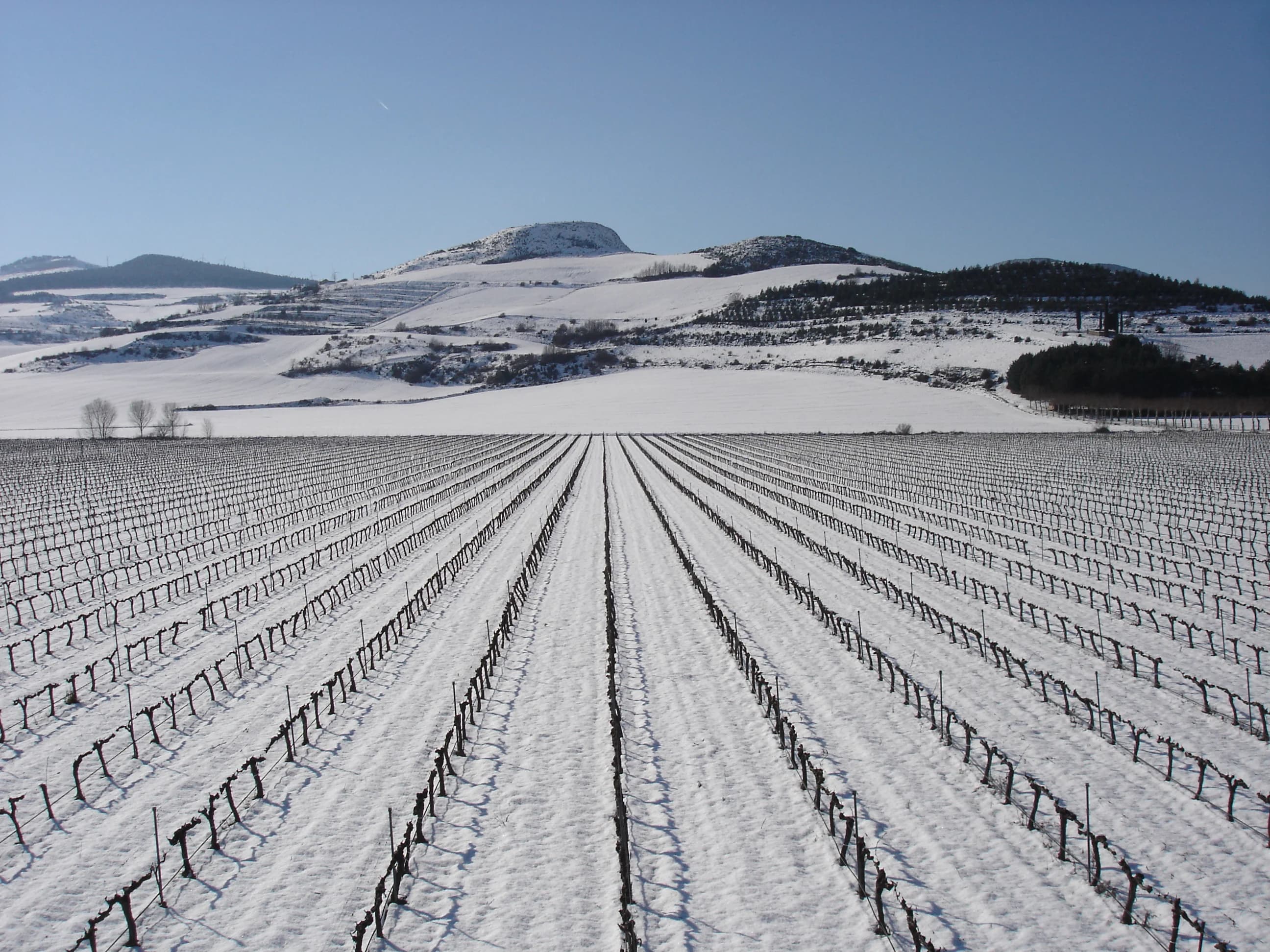
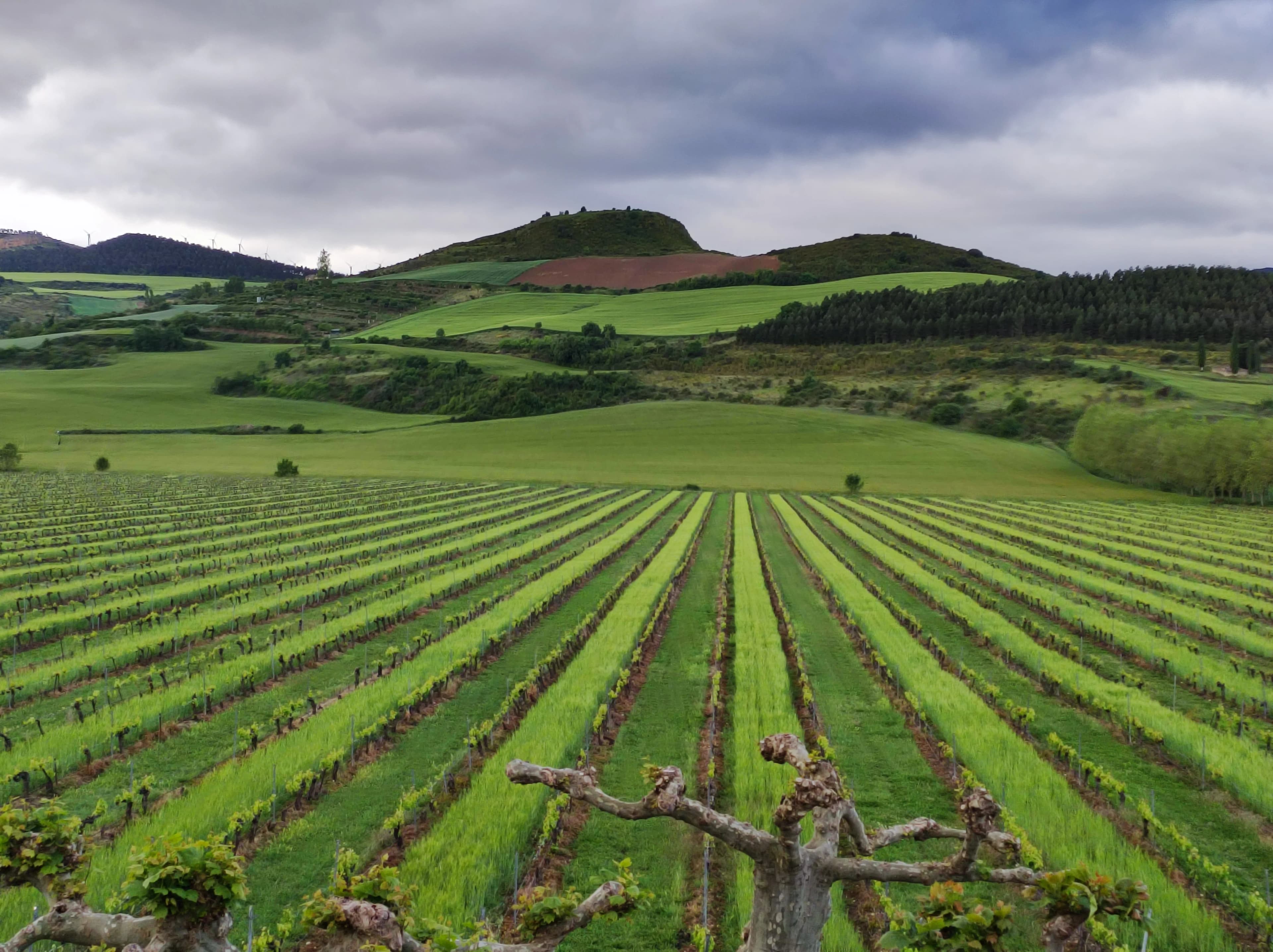
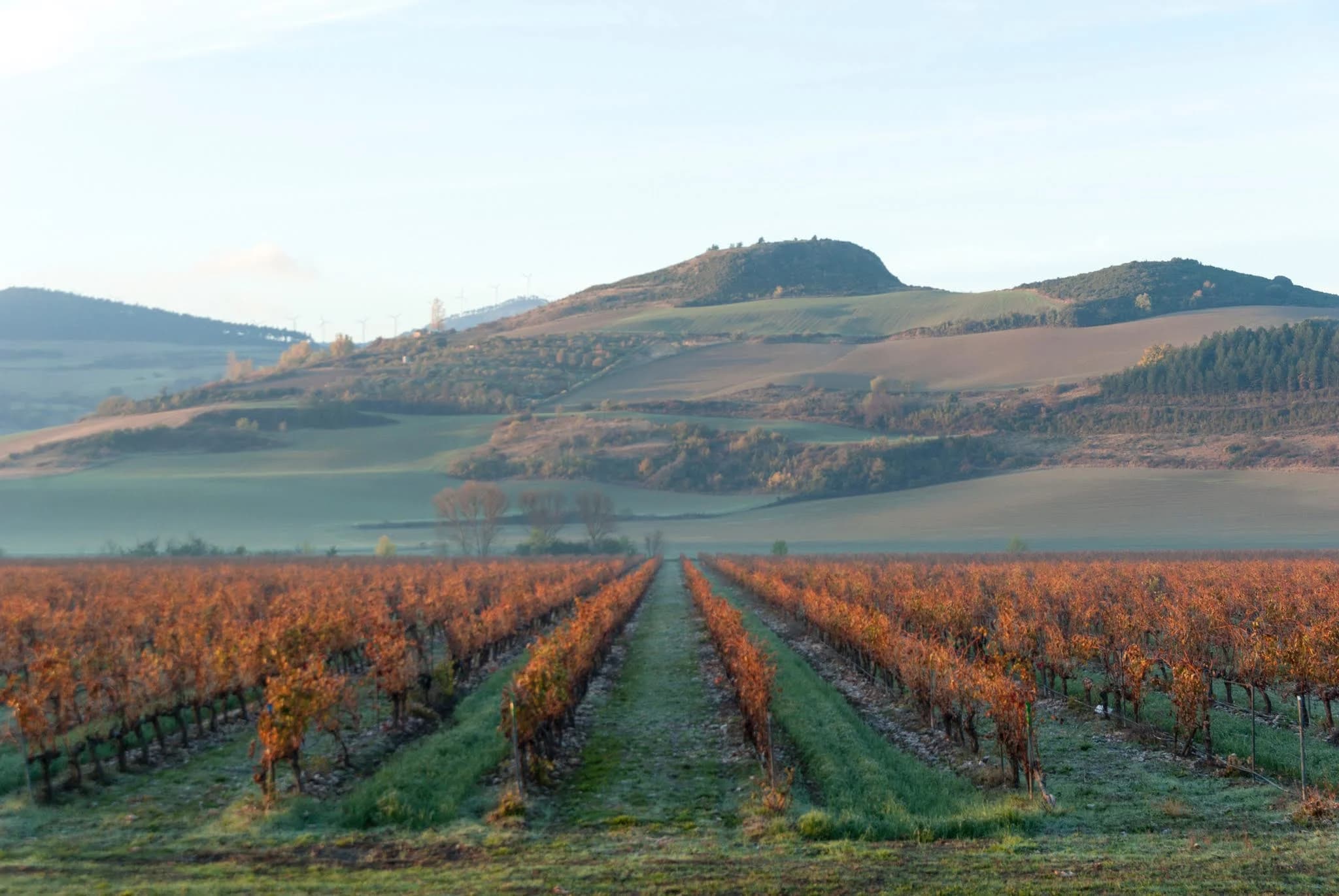
Budding and growth. The cycle begins again.
Every plot has its own name, history and character.
A living mosaic, where kestrels, barn owls and bats coexist with plant covers that regenerate the soil. Each vine is part of an ecosystem that we care for generation after generation.
Explore the vineyard and discover the life that pulses in every corner of Otazu.
Main varieties
Future varieties
Each variety is planted in the soil best suited to its agronomic behaviour.
Chardonnay
In an Atlantic climate and limestone soils it acquires all its finesse and expression.
Cabernet Sauvignon
The backbone of the great ageing wines, it shows all its elegance and finesse.
Merlot
Reaches its full expression in the Otazu terroir: velvet and silkiness.
Cabernet Franc
Vibrantly harmonises the blends, bringing elegance, tension and finesse.
Tempranillo
In the Otazu terroir it shows an Atlantic personality, as the flagship variety of today’s Spanish vineyard, with distinctive acidity and freshness.
Garnacha
A Mediterranean variety of ripe fruit and generous character. At Otazu it brings warmth, volume and spicy notes, balancing the Atlantic freshness of the rest of the vineyard.
Pinot Noir
A demanding, thin-skinned variety: in the Atlantic freshness of Otazu it finds the aromatic delicacy and fineness of tannin that define it.
Berués
The challenge: the recovered variety, guardian of the region’s memory.
Beyond the vine, the estate hosts a constantly moving web of life. Plant covers, birds, mammals and insects coexist and regulate one another, building an ecosystem where every element has its place.
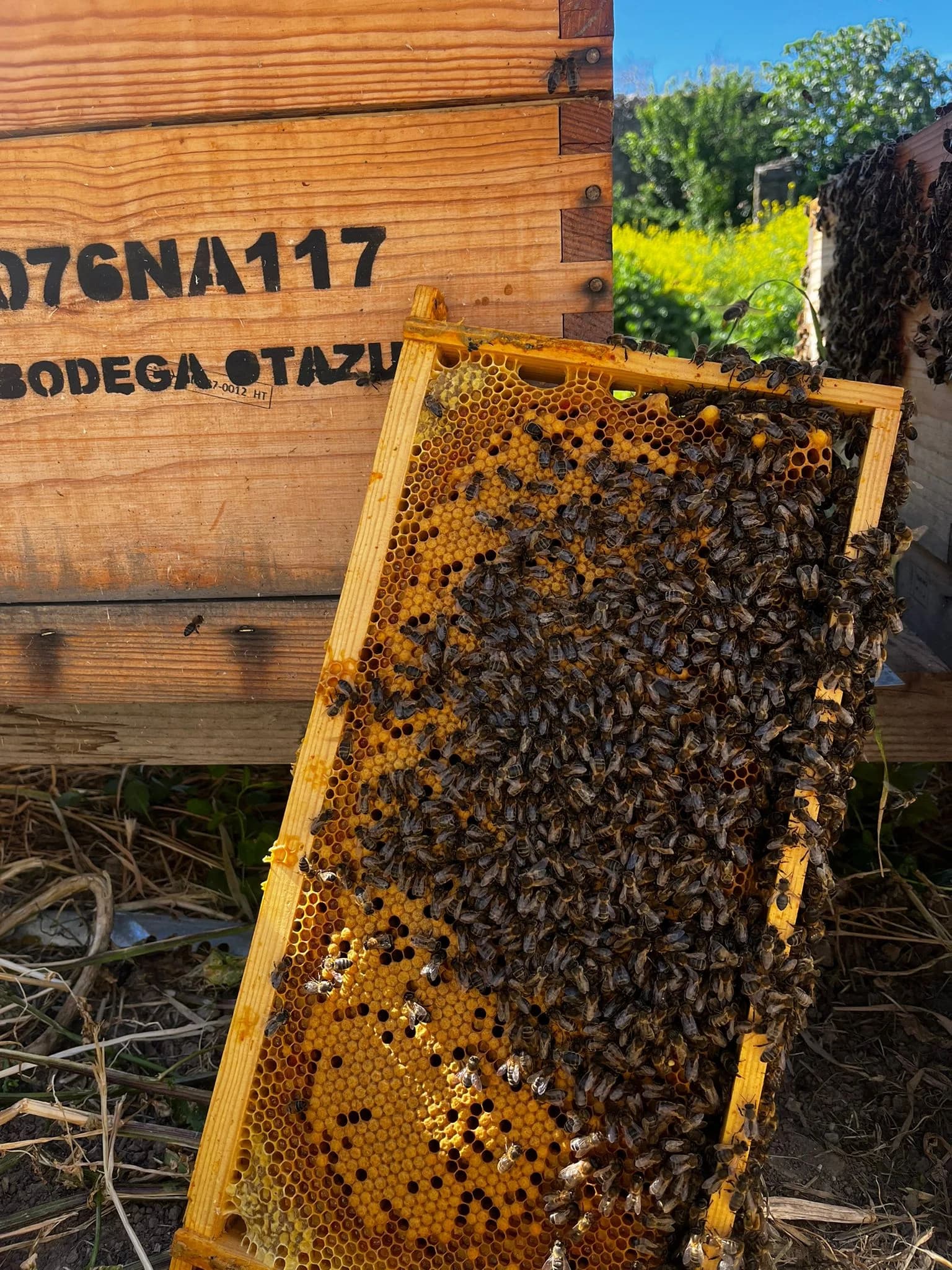
Apis mellifera
Essential pollinators that guarantee the fruiting and floral diversity of the surroundings.
→ General pollination and biodiversity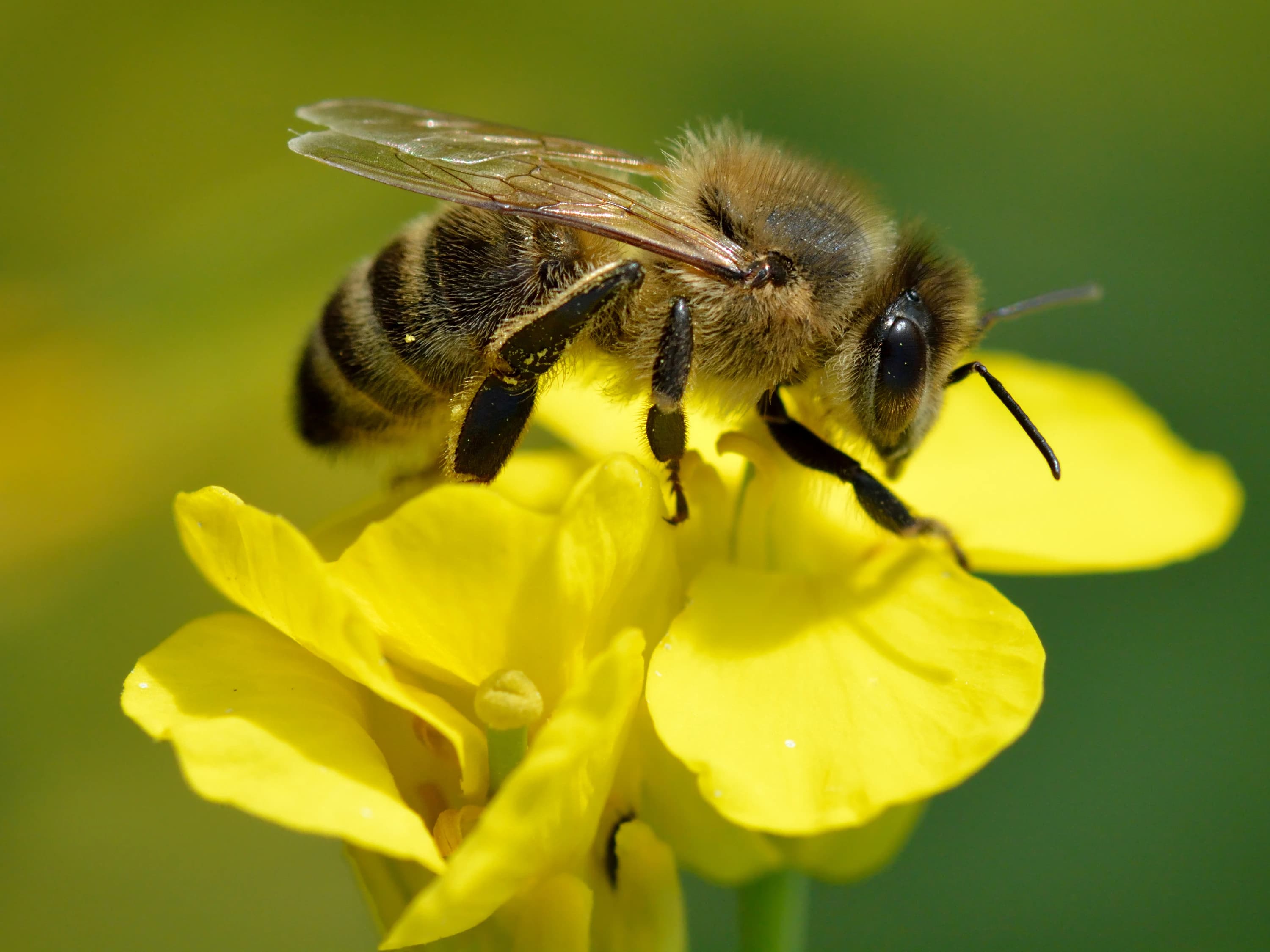
Specialised pollinators that live in the drilled trunks of the insect hotel, with greater pollinating efficiency than social bees.
→ Specialised pollination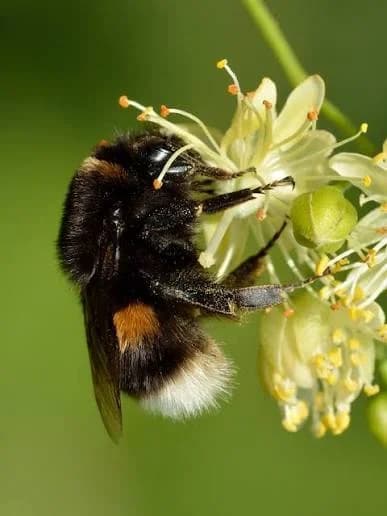
Bombus
Bumblebees that nest in natural cavities. Robust pollinators active even in cold and low-light conditions.
→ Pollination in adverse conditions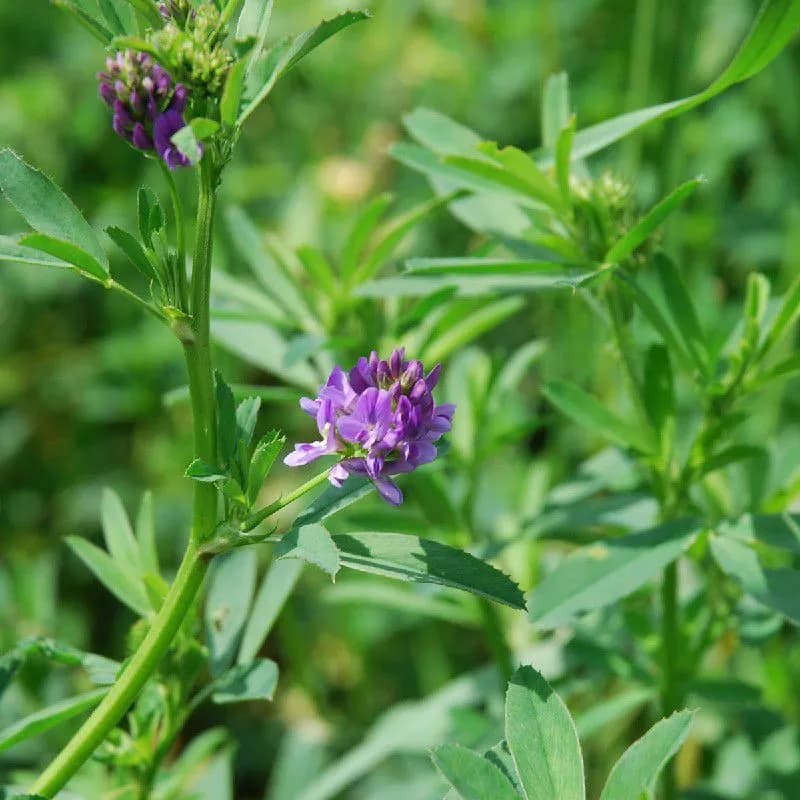
Medicago sativa
A legume that enriches the soil with nitrogen through symbiotic bacteria.
→ Nitrogen fixation, soil improvement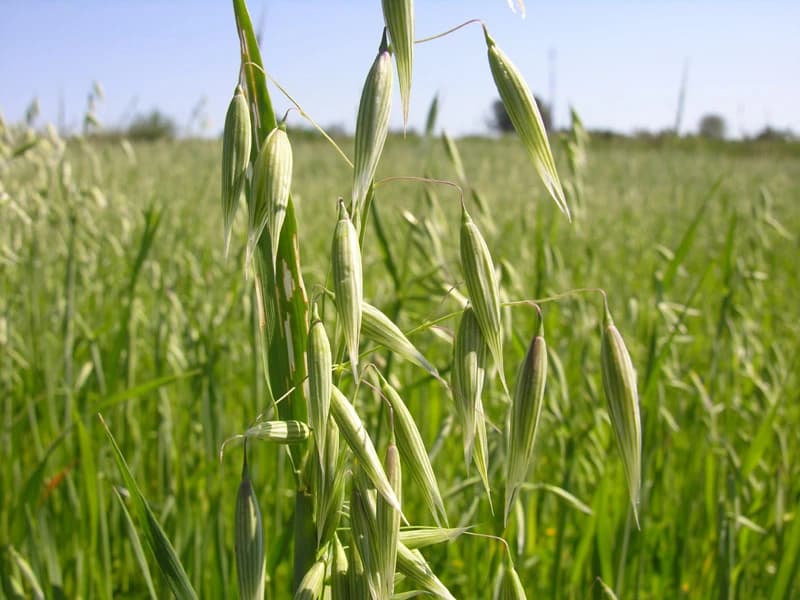
Avena sativa
A cover that protects the soil and attracts local fauna species.
→ Soil cover, refuge for fauna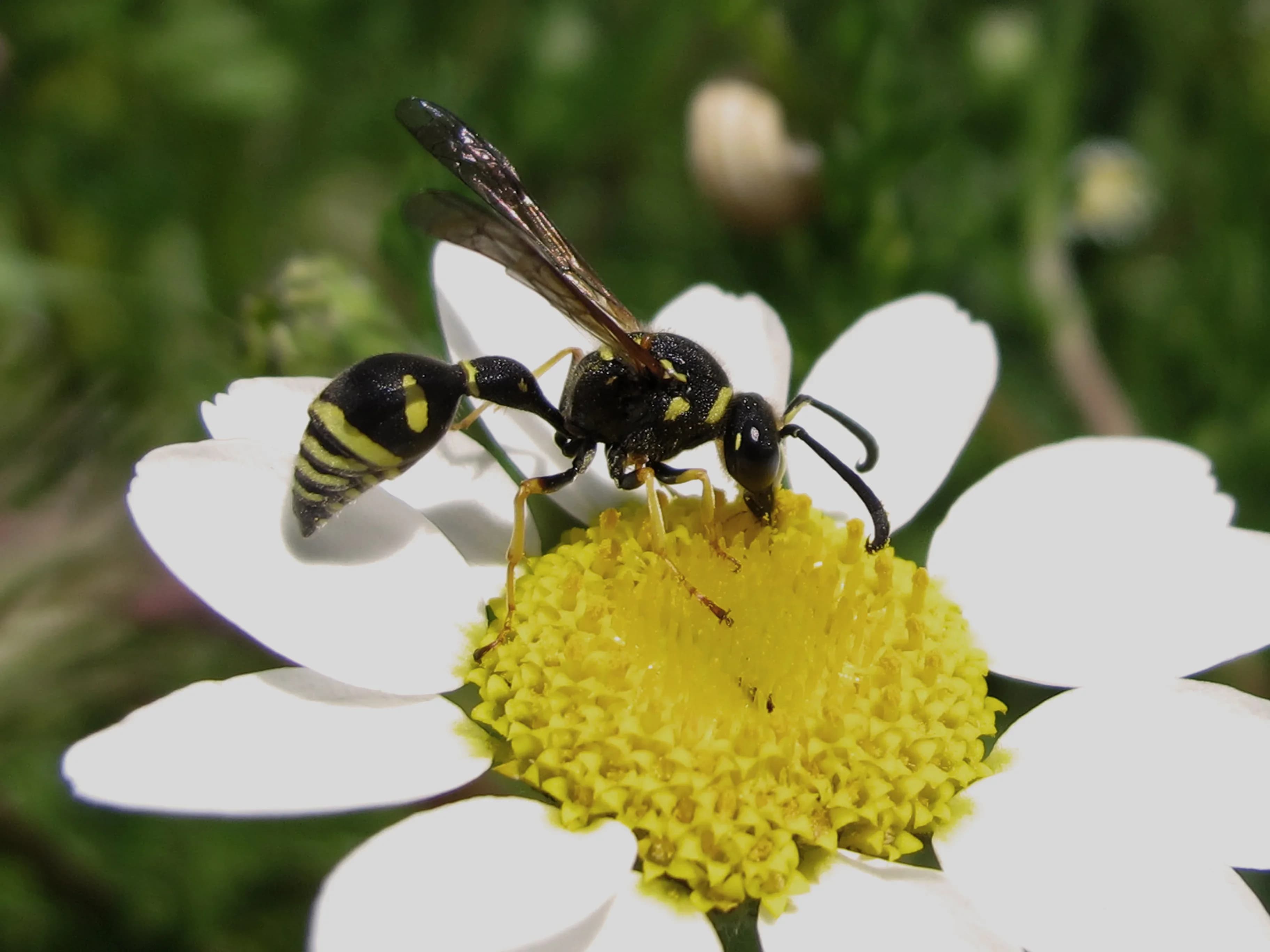
Build small mud nests in hotel cavities. They hunt caterpillars and insects to feed their larvae, providing very efficient natural regulation.
→ Regulation of caterpillars and insects
Calopteryx virgo
Elegant insects with dark wings and metallic bodies that live near the watercourses of the Pamplona basin.
→ Bioindicator of environmental health and dipteran control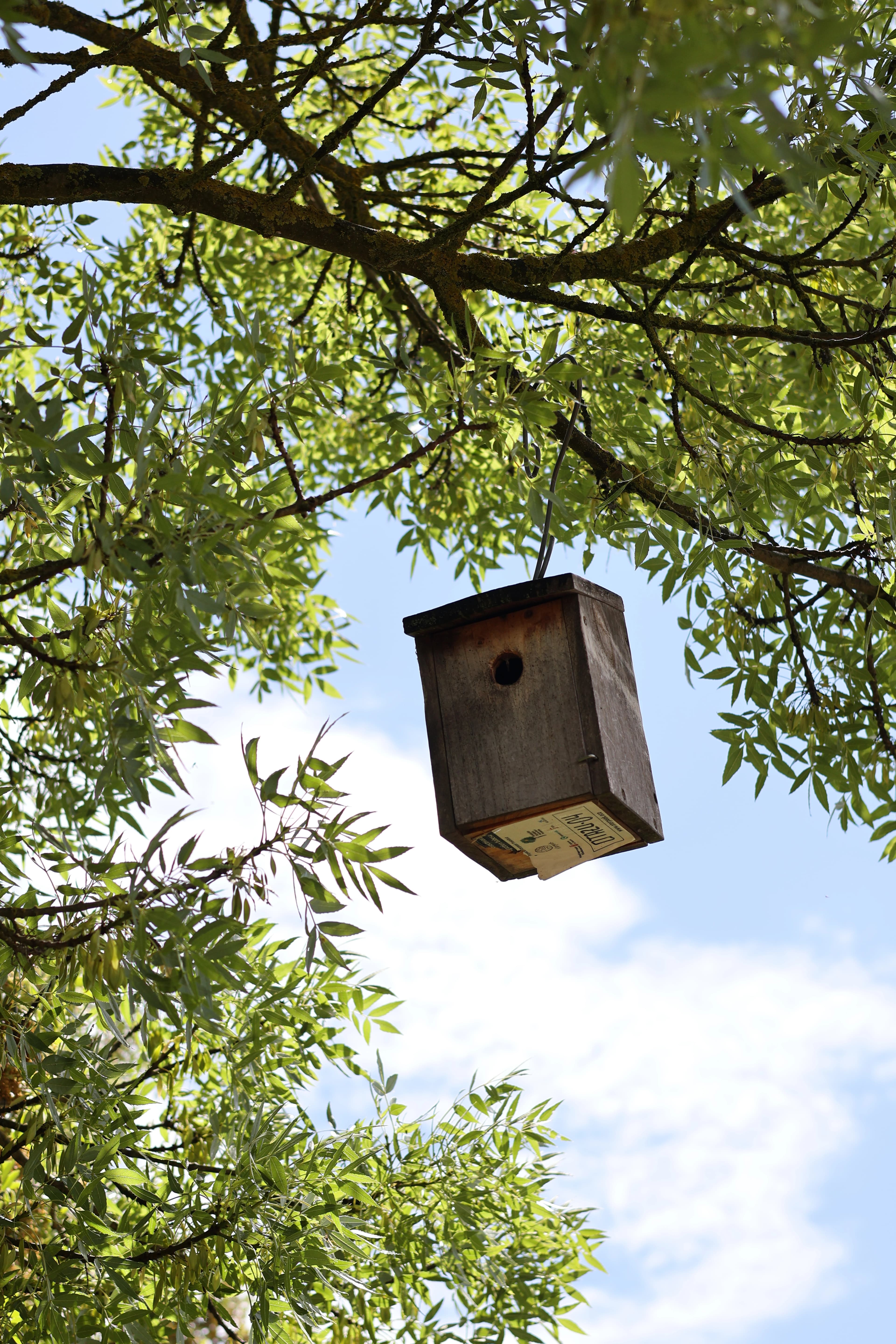
Wooden structures strategically installed to encourage the settlement of insectivorous birds and raptors.
→ Promoting protective avifauna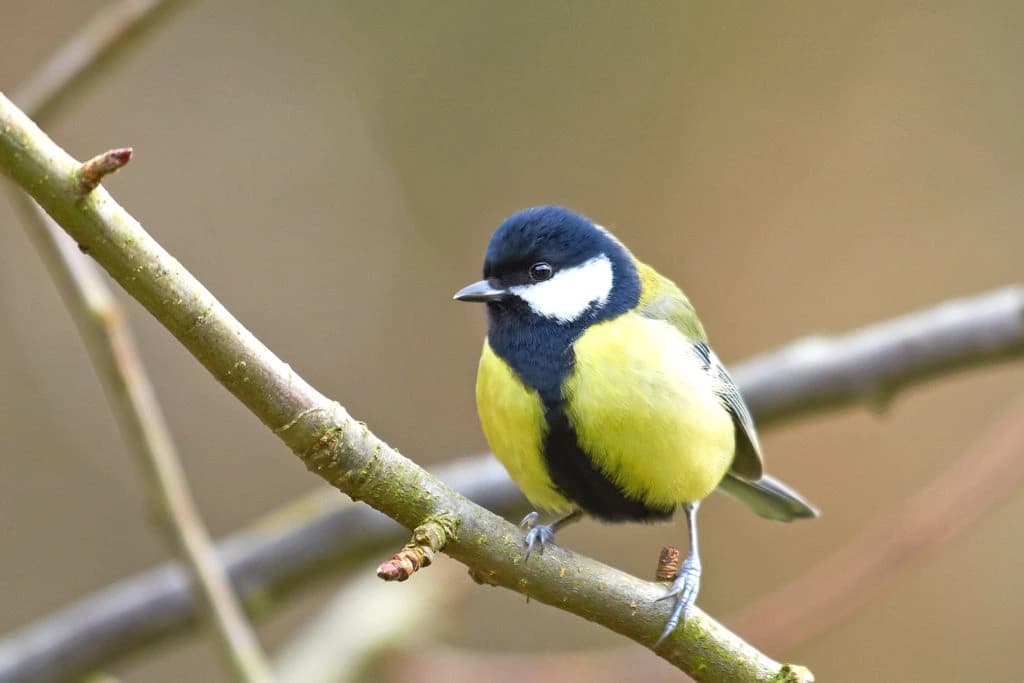
Parus major
A very active insectivorous bird that consumes caterpillars and insects all year round, contributing to the natural balance of the vineyard.
→ Control of larvae and insects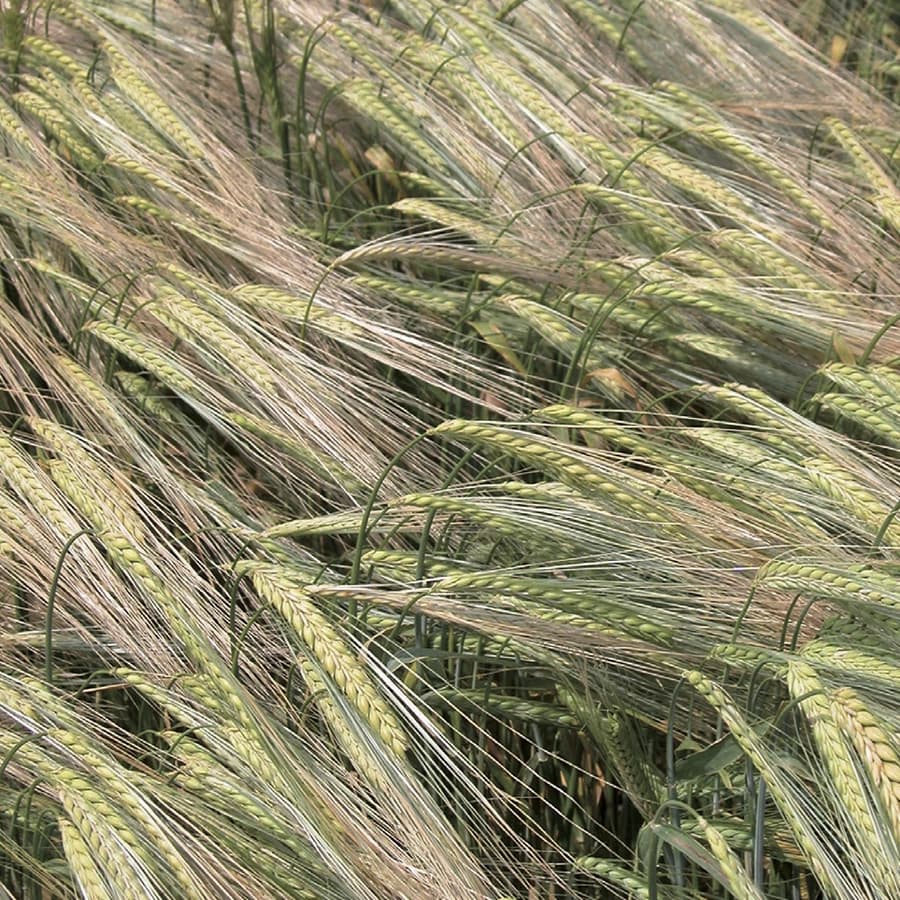
Hordeum
A cereal that provides cover and food for vineyard fauna.
→ Cover, food for birds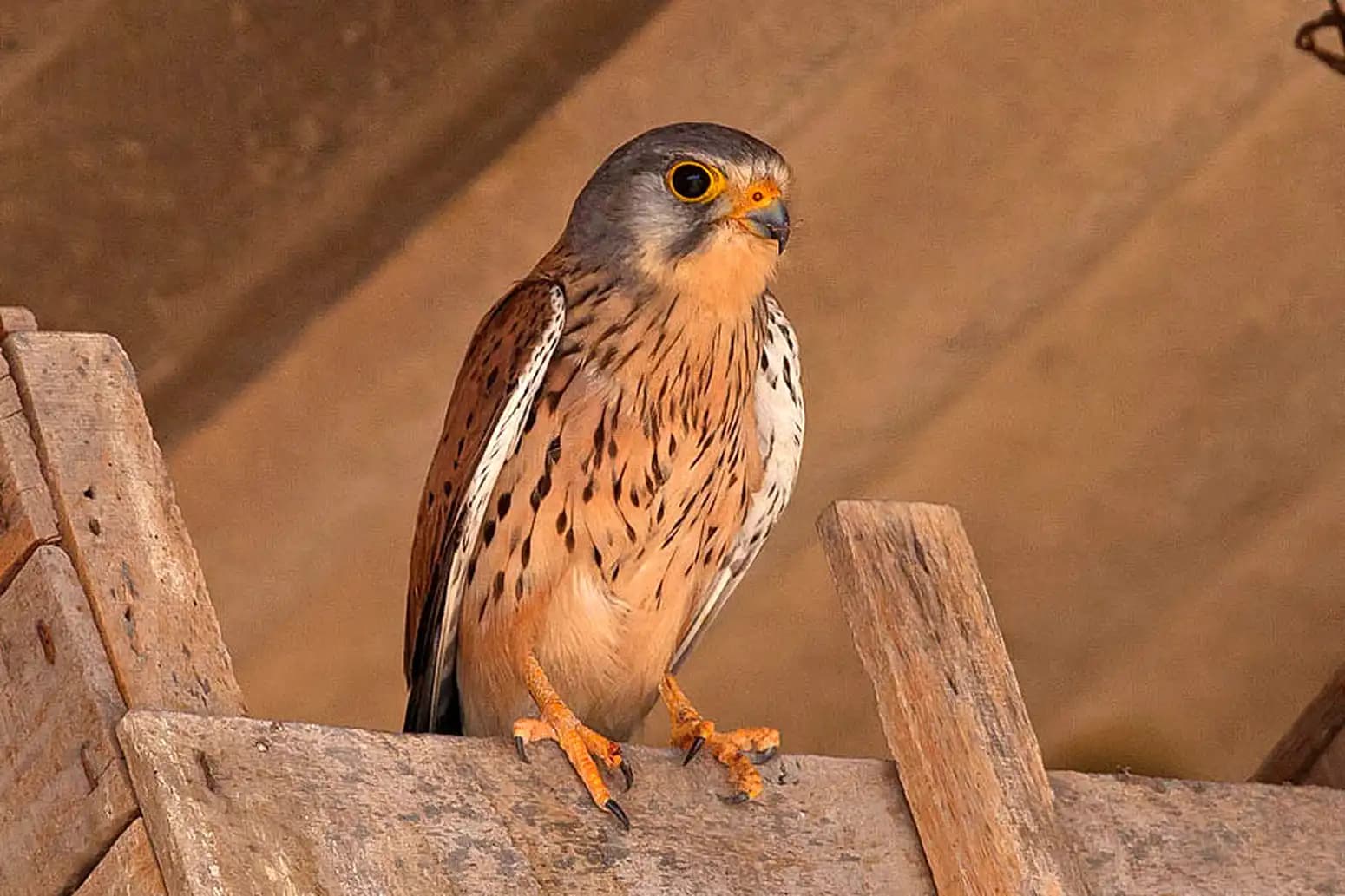
Falco tinnunculus
A small falcon that patrols the skies of the valley, naturally controlling small rodents.
→ Biological control of small mammals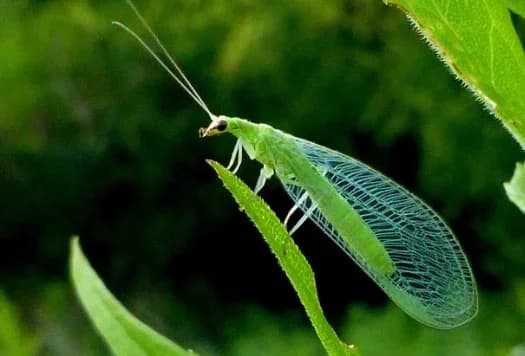
Chrysoperla carnea
Known as “aphid lions”, their larvae are voracious predators of aphids, mites and insect eggs.
→ Intense regulation of aphids and mites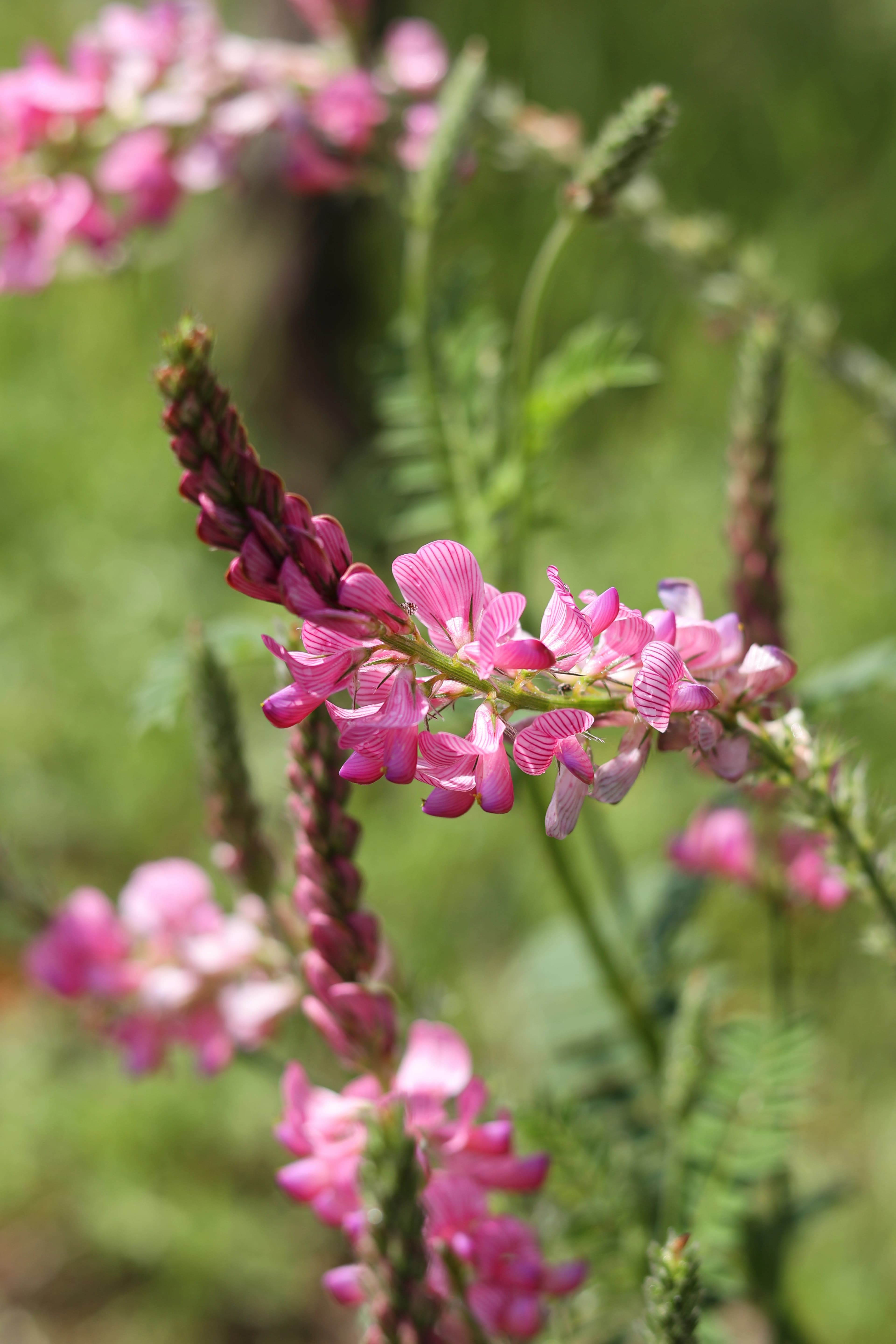
A mix of flowers and plants that acts as a first natural selection filter in the vineyard.
→ Attracts pollinators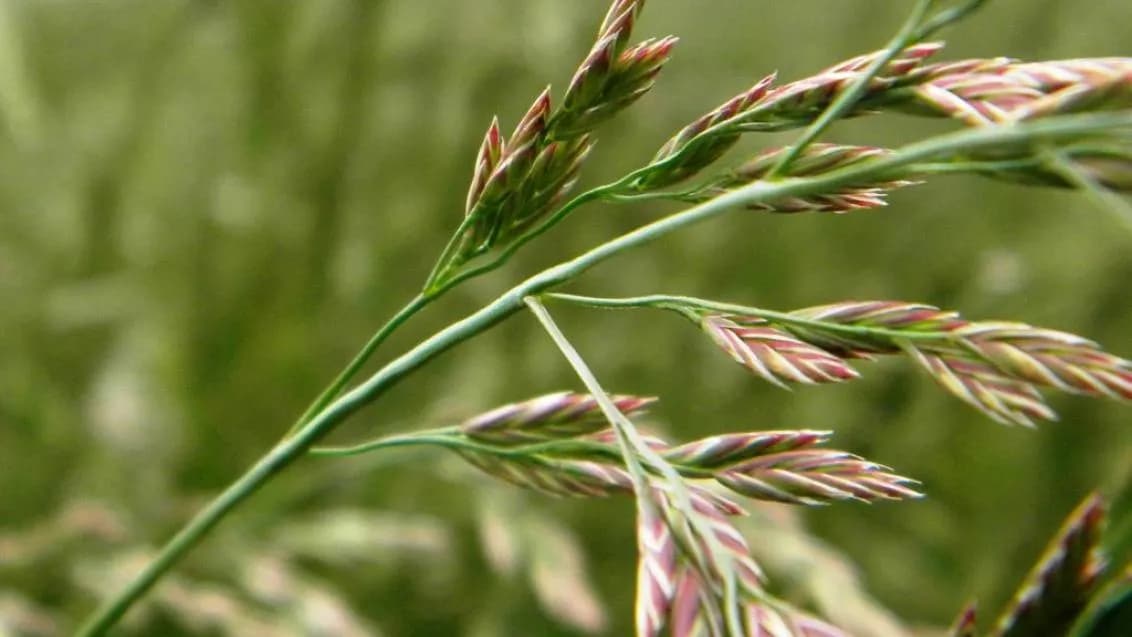
Festuca
A perennial grass that protects the soil and fixes nitrogen naturally.
→ Soil cover, erosion control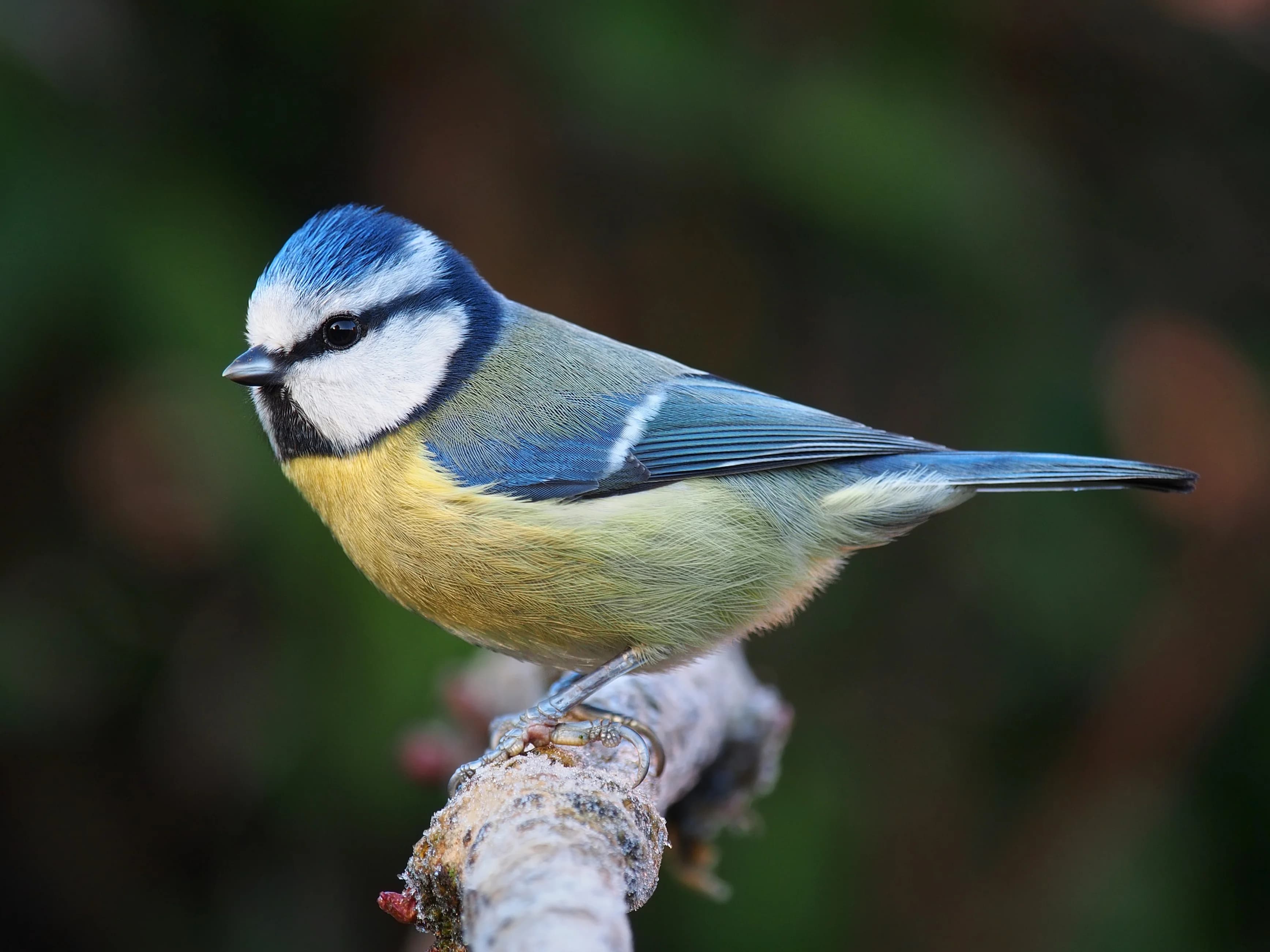
Cyanistes caeruleus
A small forest insectivorous bird, an excellent regulator of spring insects in the vineyard.
→ Control of insects on young shoots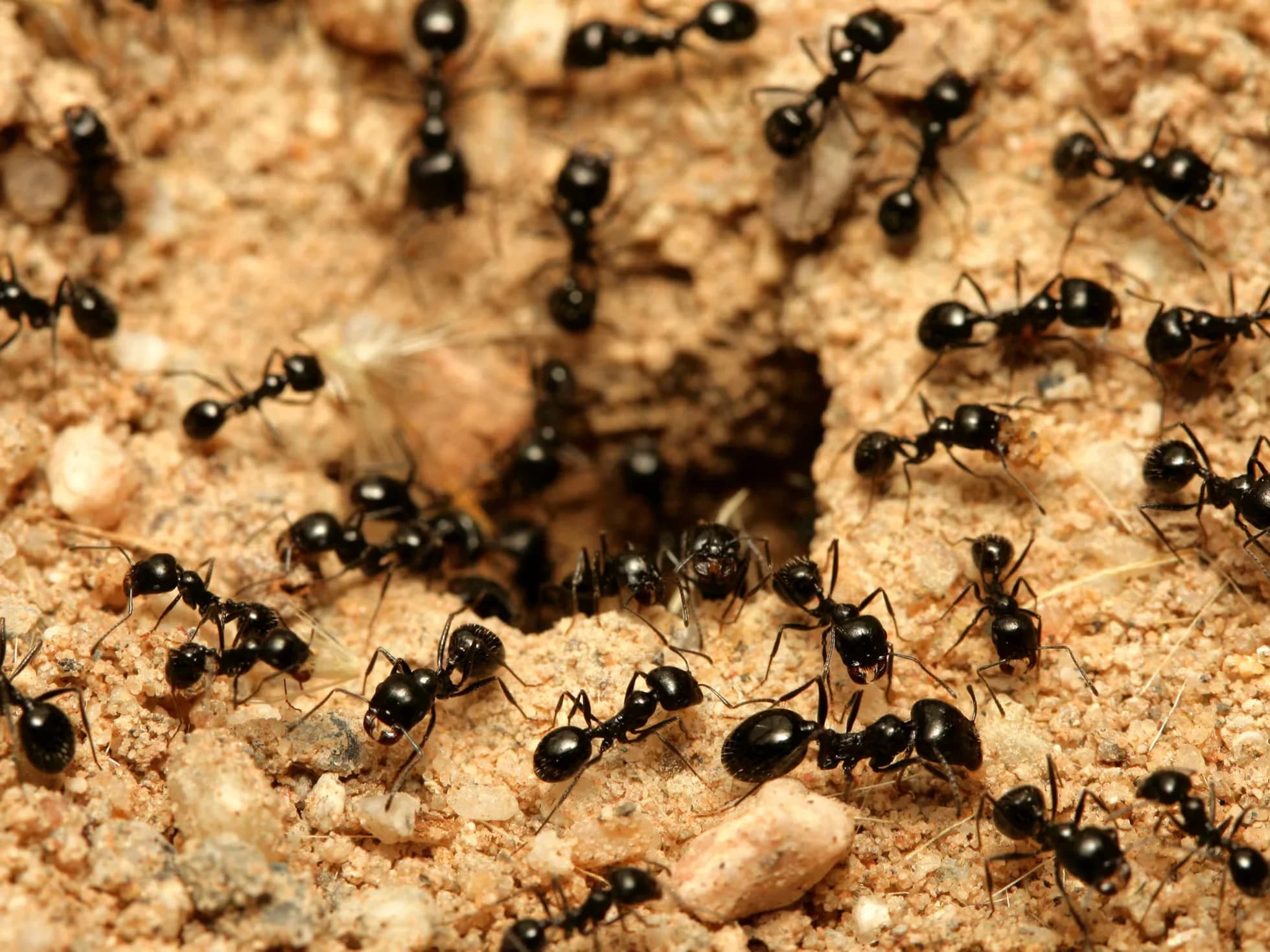
Social insects that aerate the soil and contribute to the decomposition of organic matter, improving soil structure.
→ Soil aeration and organic cycle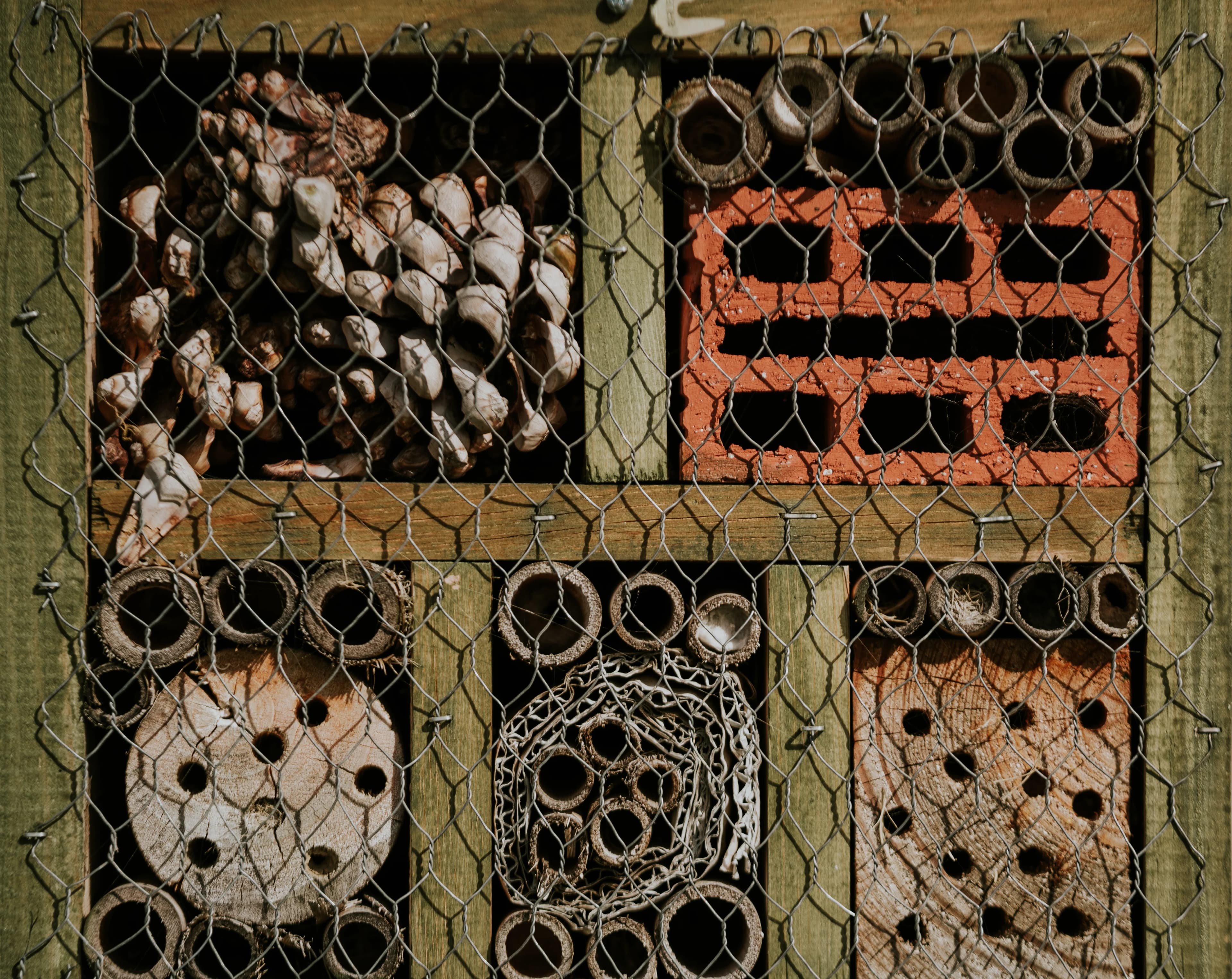
Artificial structures placed in the vineyard to house beneficial predatory insects.
→ Enhances biological balance
An organic fibre from local Navarrese farming, used as a moisture-retaining mulch around the vines.
→ Organic mulch, circular economy and water retention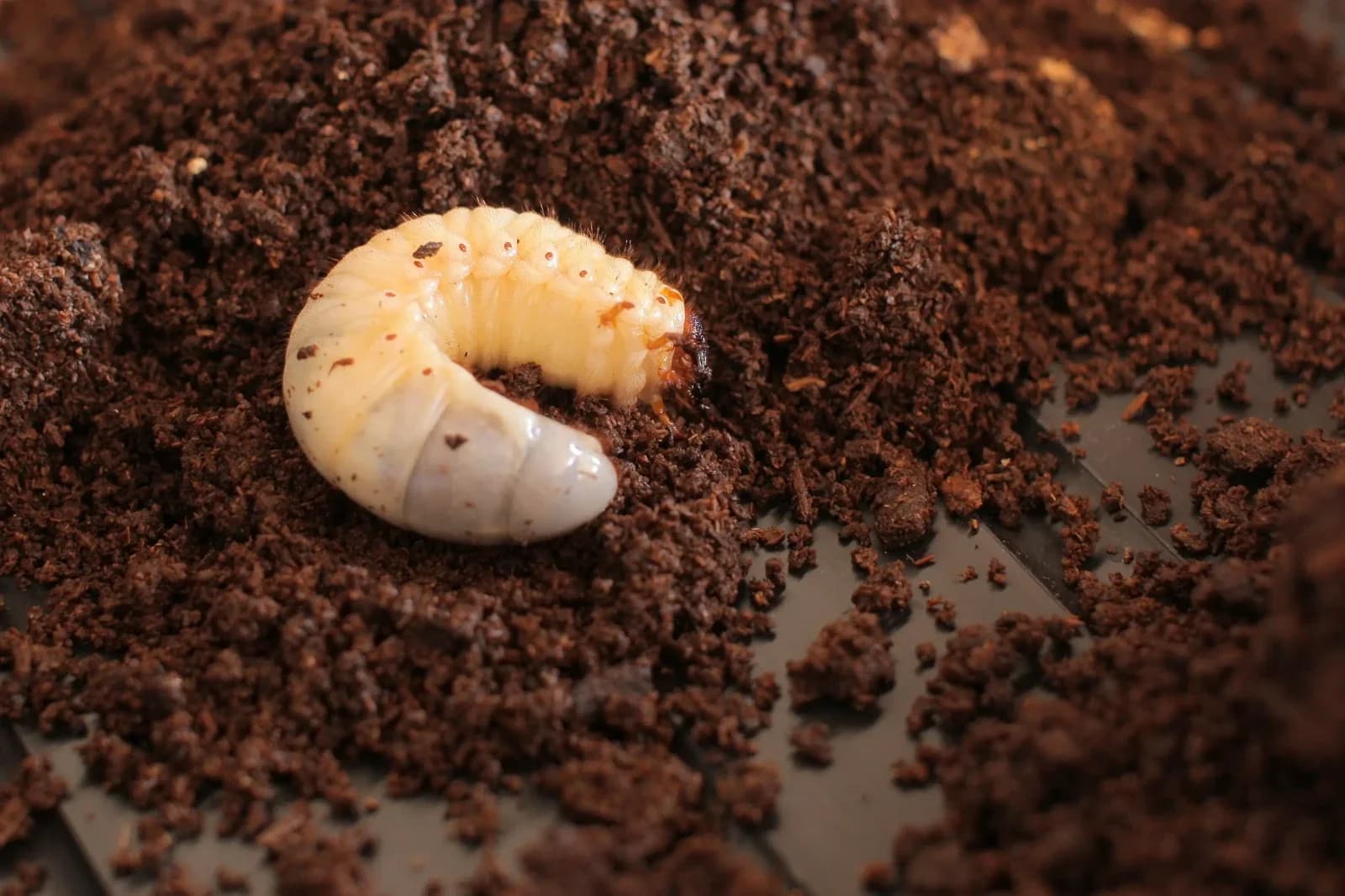
Active decomposers that live in the wood and organic matter of the hotel, contributing to the soil nutrient cycle.
→ Decomposition and nutrient cycle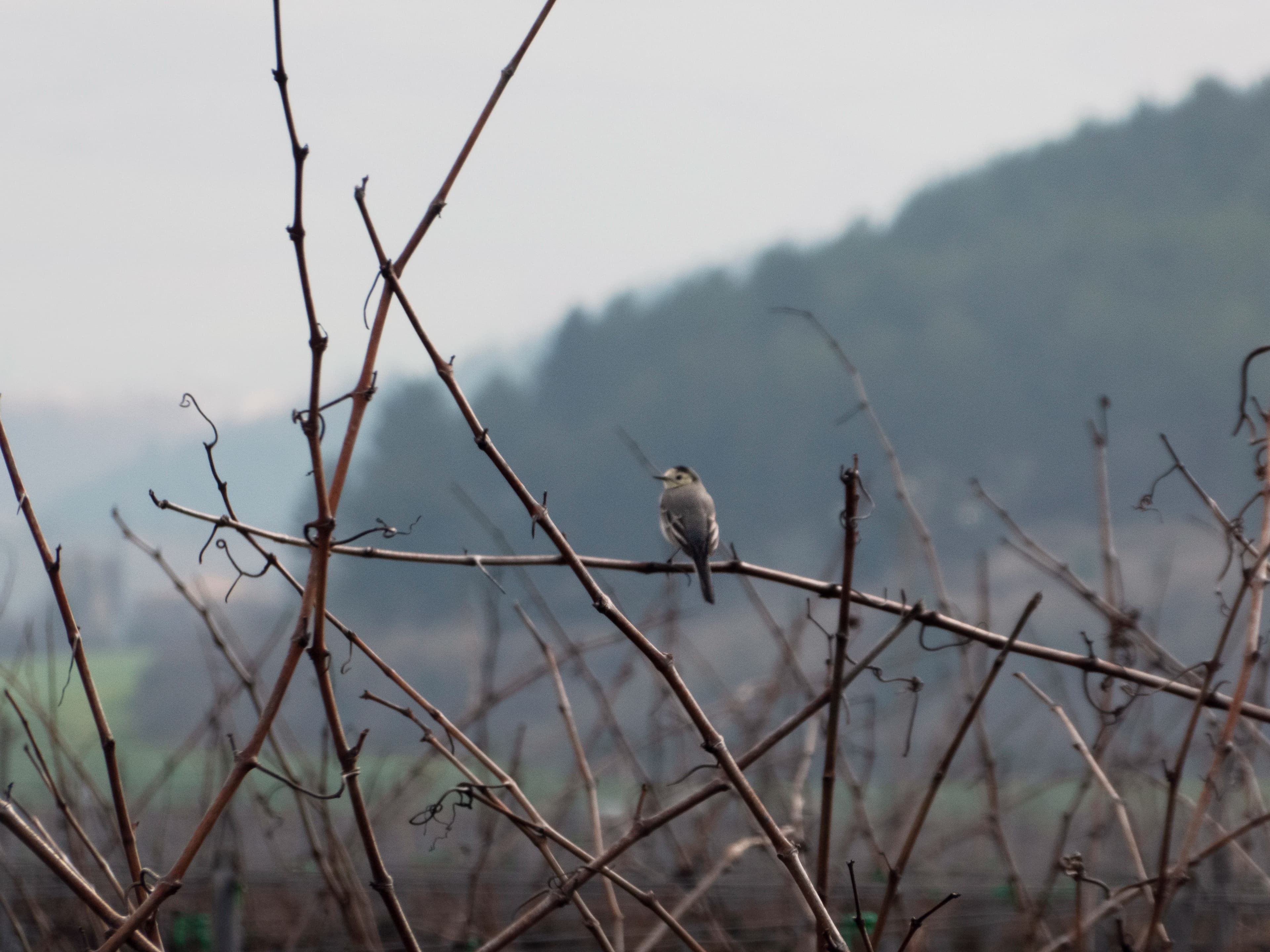
Motacilla alba
An insectivorous bird that walks on the ground catching insects. It lives on the banks of the river Elorz and the flat areas of the vineyard.
→ Control of soil insects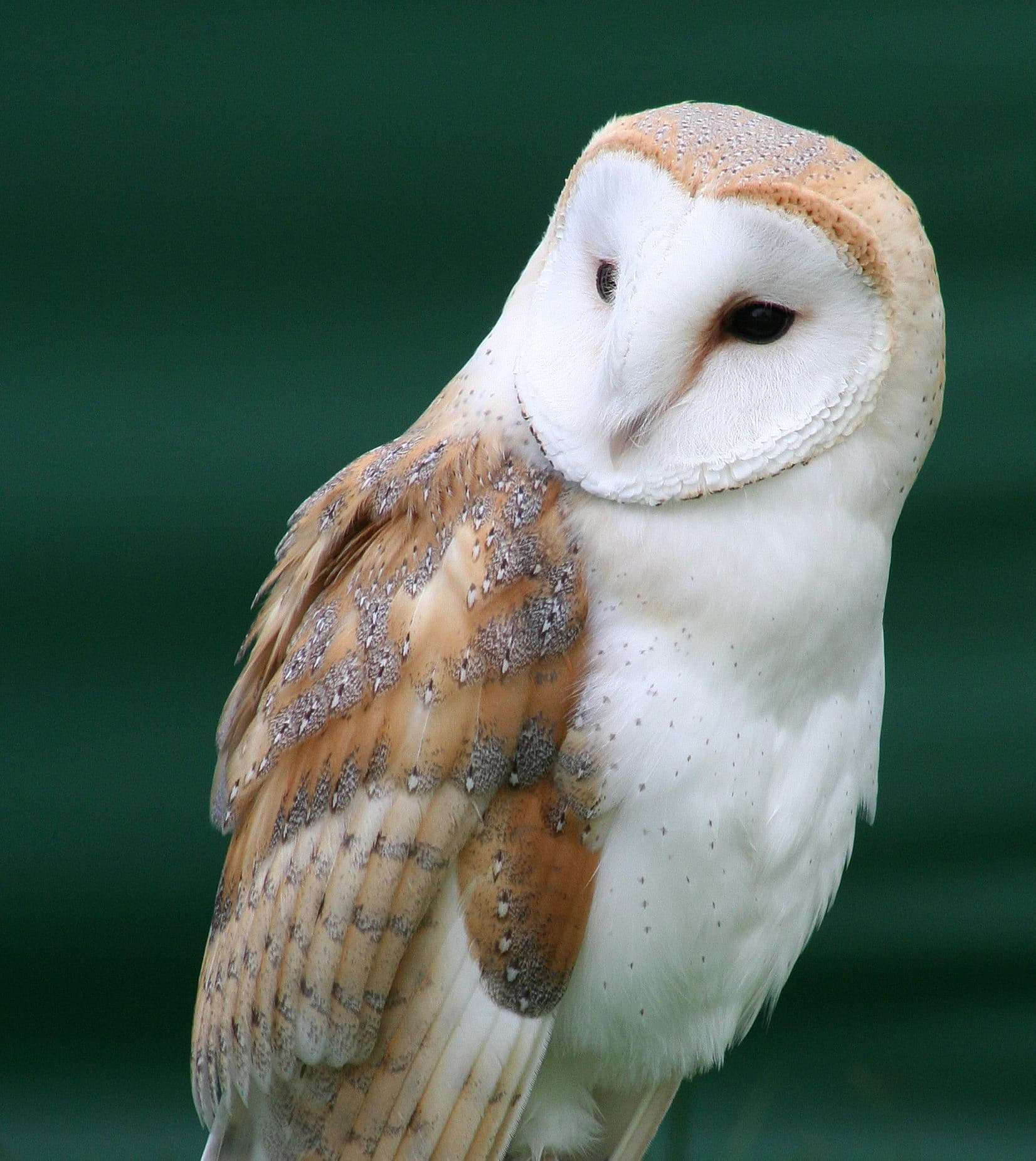
Tyto alba
A magnificent nocturnal predator that controls field mouse populations with exceptional efficiency.
→ Nocturnal control of rodents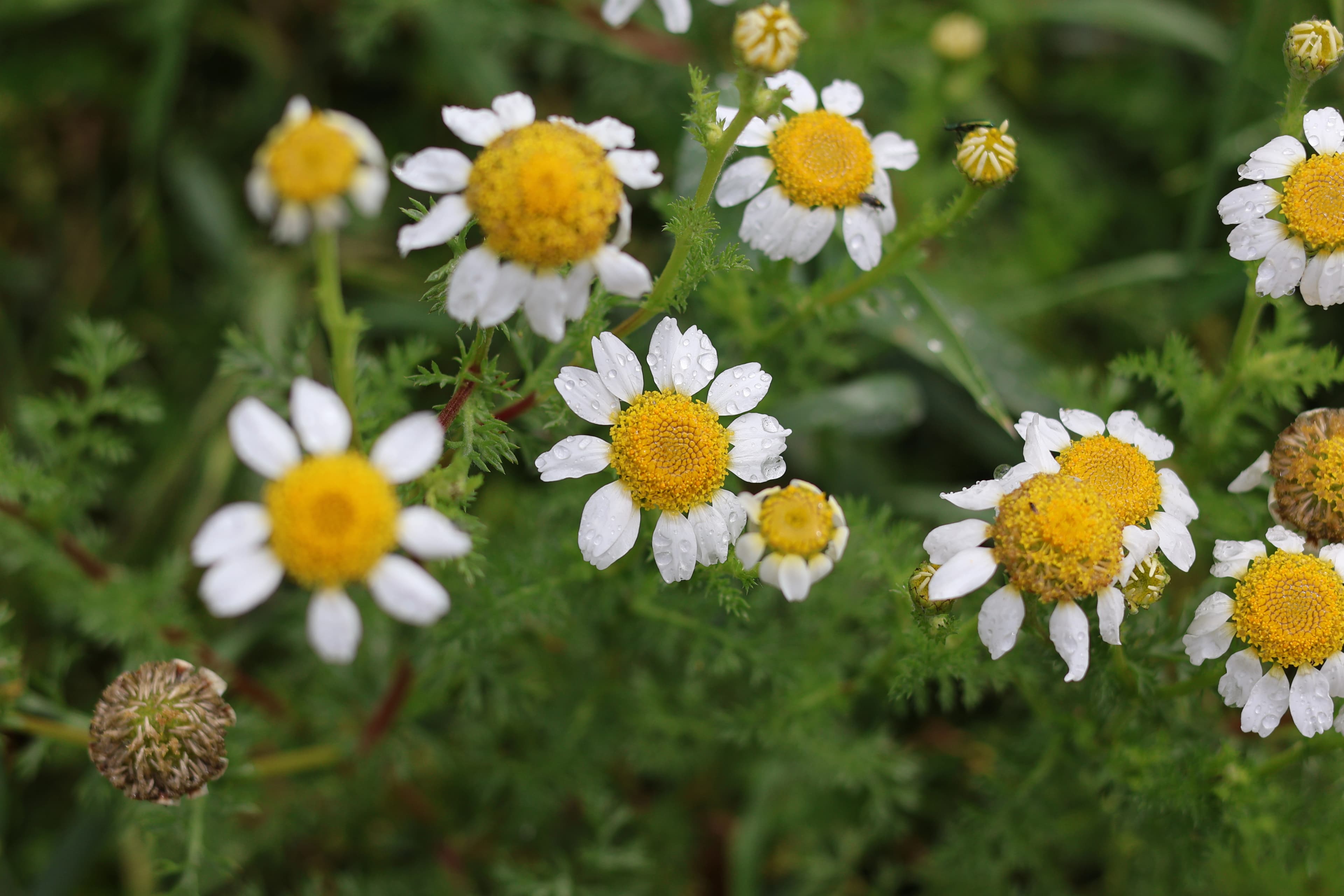
Bellis perennis
Wild flowers that attract pollinators and enrich the vineyard ecosystem.
→ Pollination, attracting fauna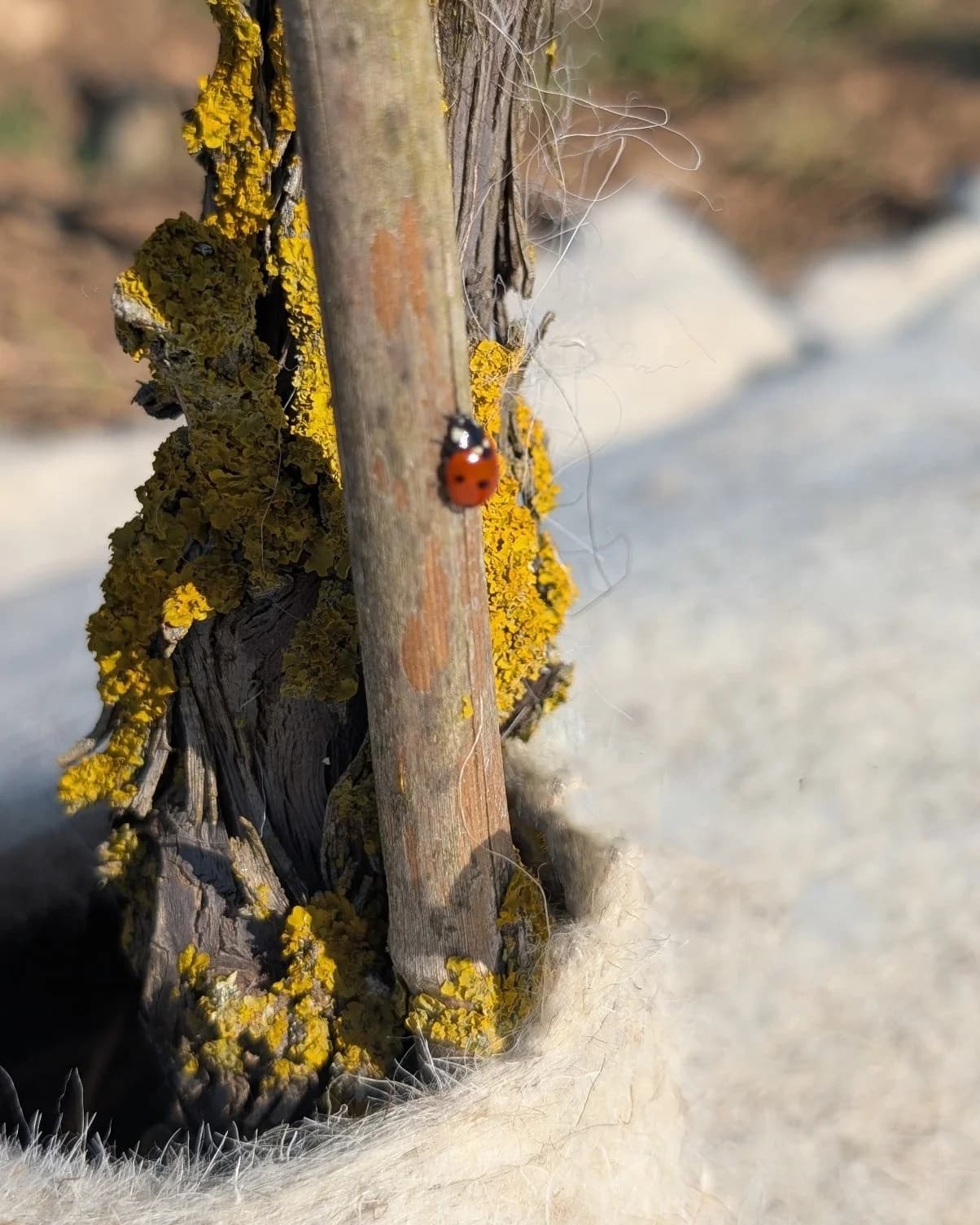
Coccinellidae
Small beetles that devour aphids and mites, acting as a biological shield for the vines.
→ Natural regulation of aphids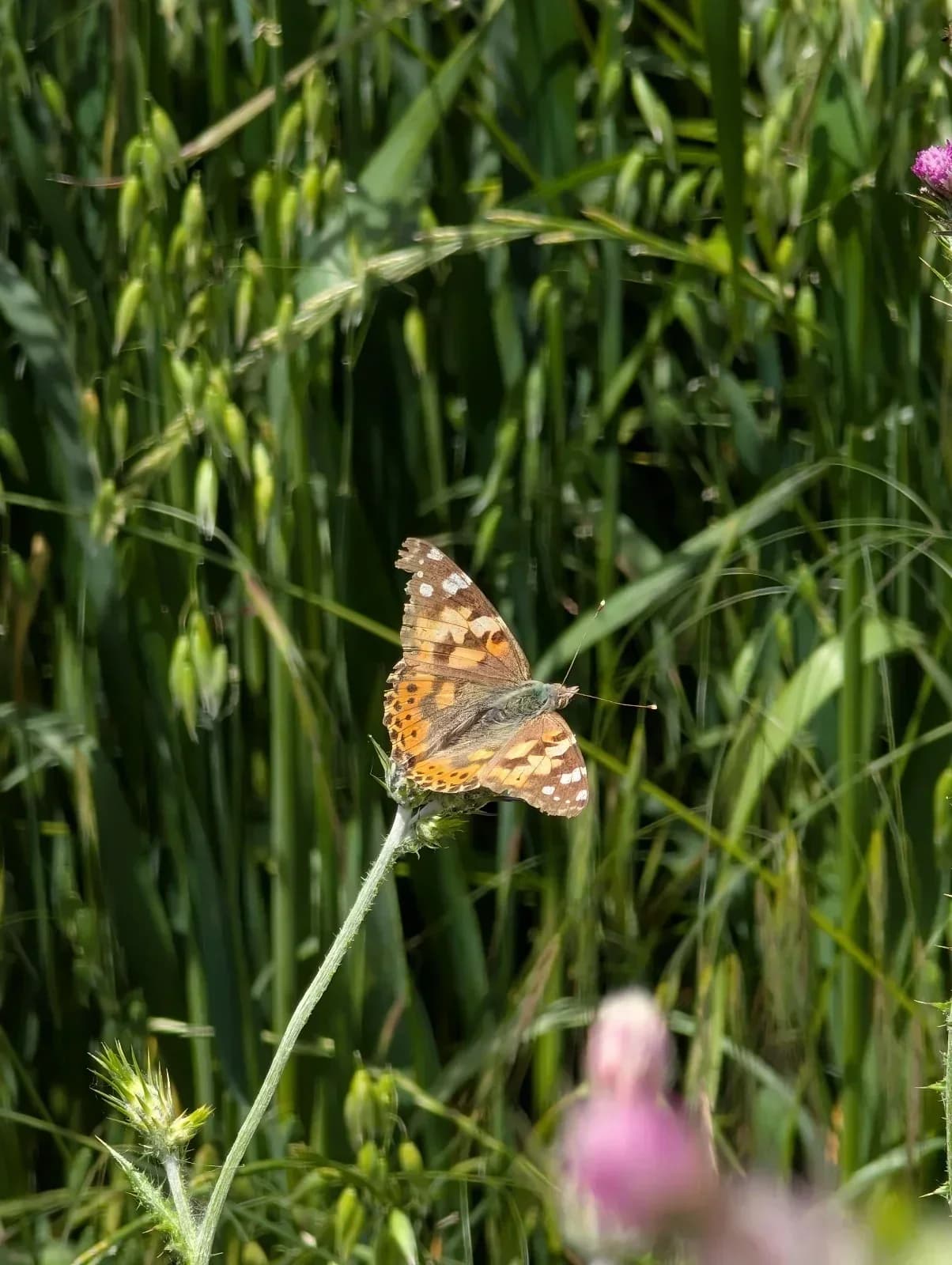
Pieris rapae
The classic wild butterfly that flutters over the flowering covers of the valley during spring and summer.
→ Active pollination and biodiversity boost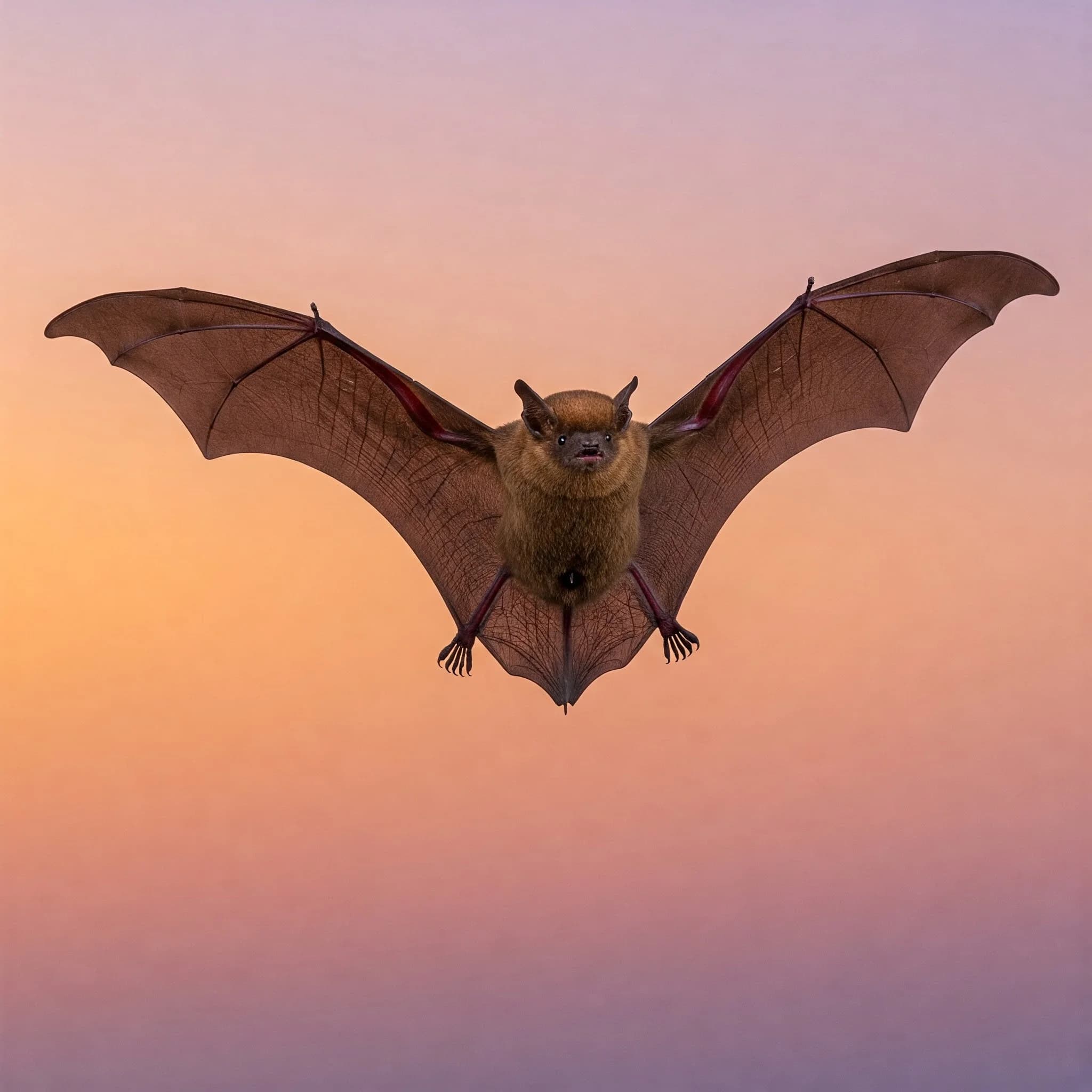
Pipistrellus pipistrellus
A nocturnal predator of flying insects. A relentless ally against the grape berry moth (Lobesia botrana).
→ Nocturnal control of flying insects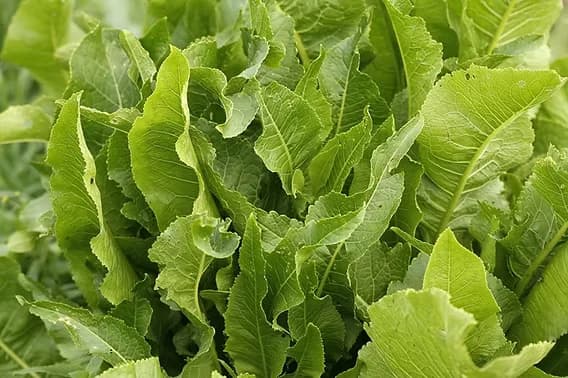
Raphanus raphanistrum
Improves soil structure and regulates nematode populations.
→ Soil improvement, nematode regulation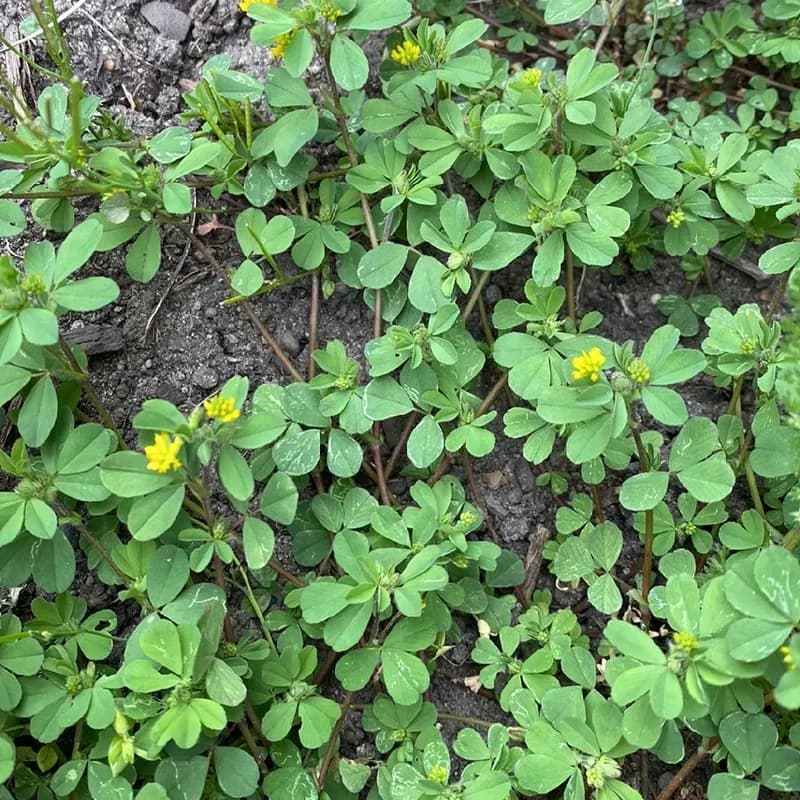
Trifolium
A legume that fixes nitrogen and serves as food for local fauna.
→ Nitrogen fixation, food for fauna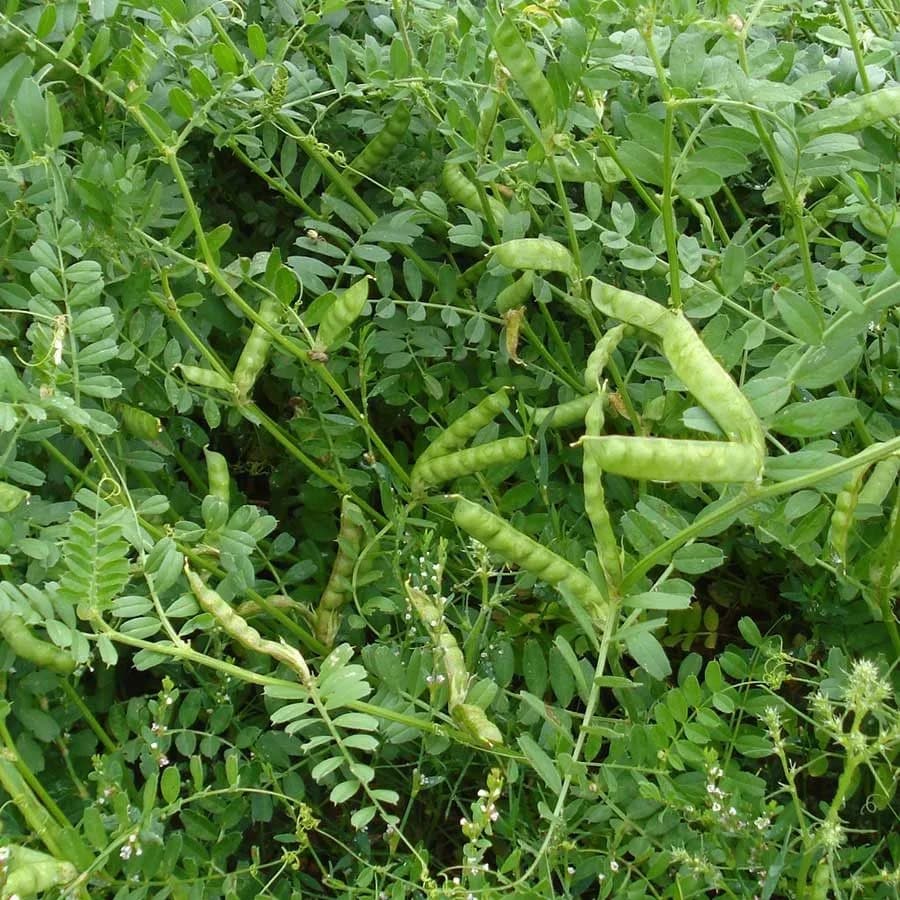
Vicia
A fast-growing legume that improves soil fertility.
→ Fast nitrogen fixation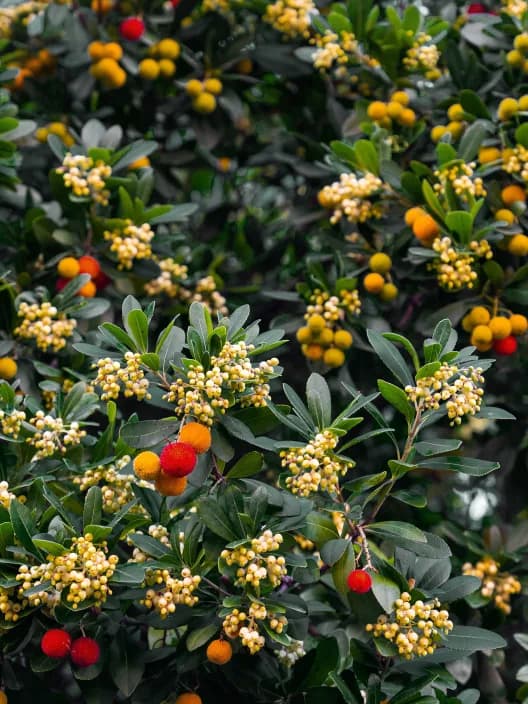
Arbutus unedo
An evergreen shrub with showy edible red fruits, highly prized by birds as a winter food reserve.
→ Food for fauna, biodiversity hedge
Rhamnus cathartica
A thorny shrub whose black fruits feed many birds and whose branches offer safe refuge from predators.
→ Refuge and food for birds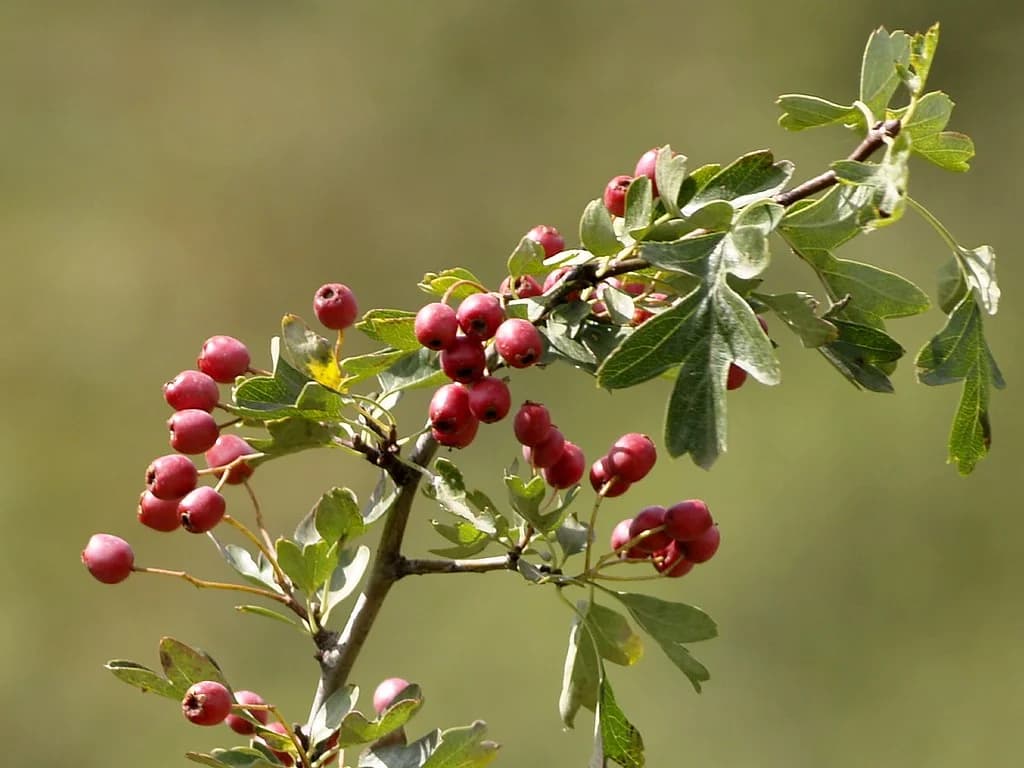
Crataegus monogyna
A hawthorn with abundant white spring blossom, essential for pollinators; its haws feed birds in autumn.
→ Pollination and protective hedge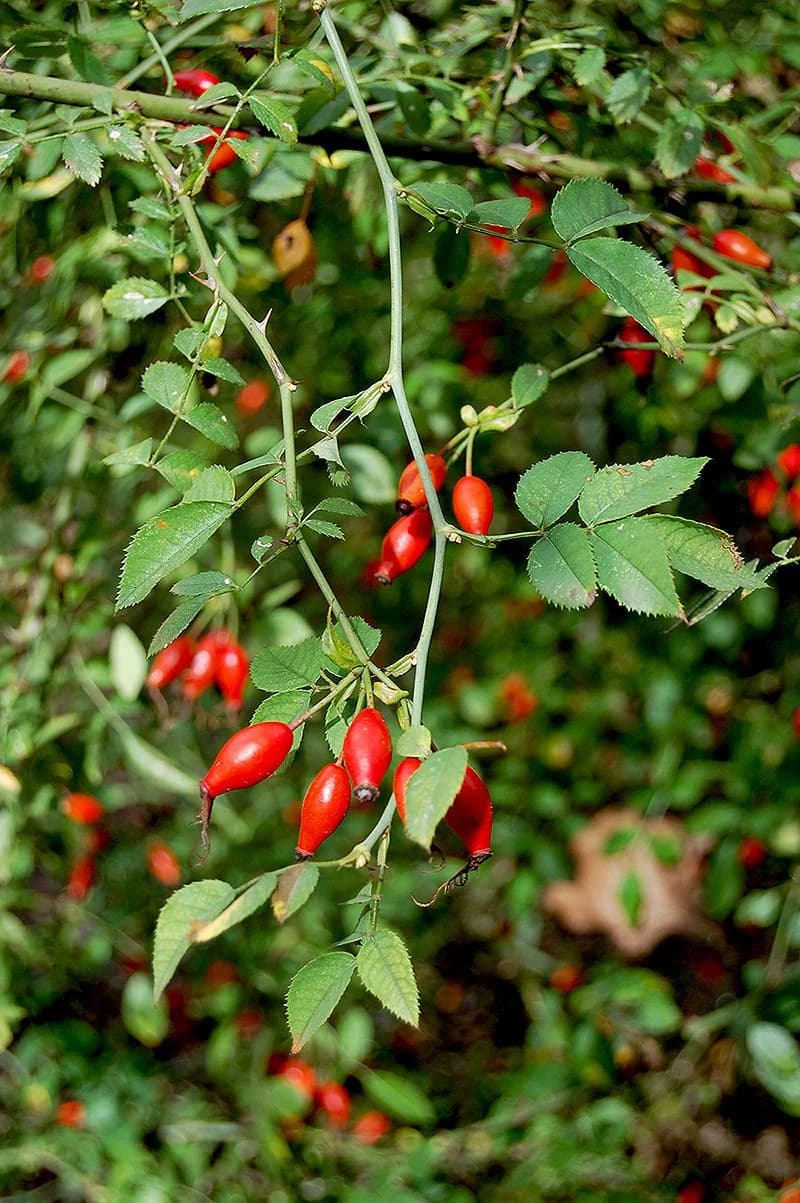
Rosa canina
A wild rose whose vitamin-C-rich fruits are key winter food for birds; it forms protective thorny hedges.
→ Winter food for birds, thorny hedge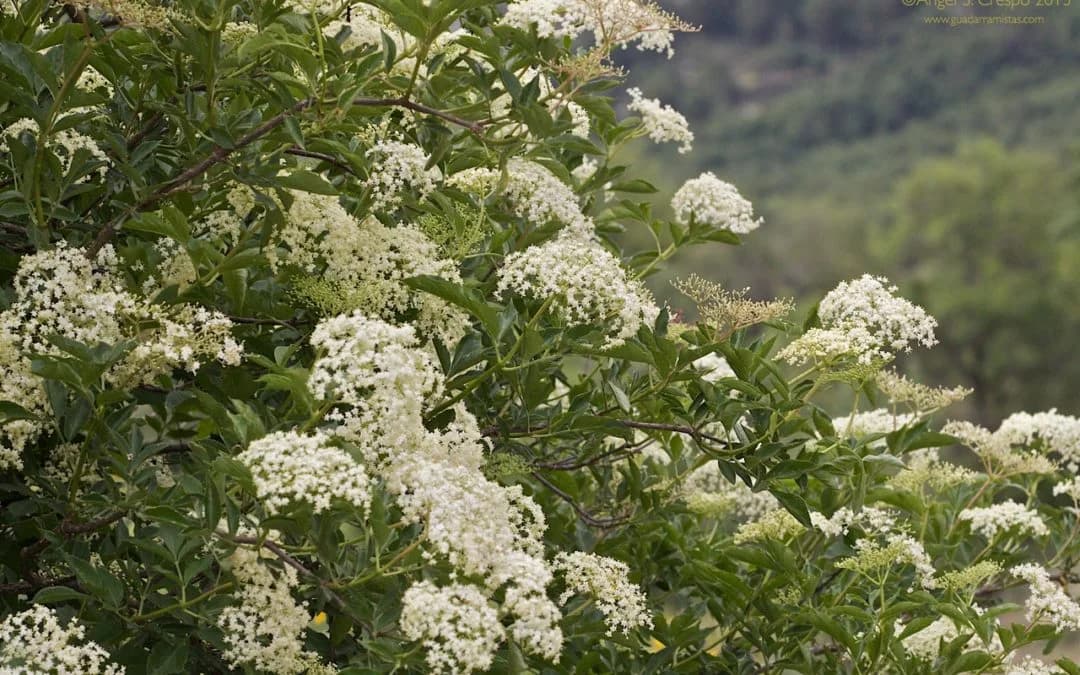
Sambucus nigra
A shrub with white flowers much visited by insects and dark berries coveted by birds; traditional in Navarrese boundaries.
→ Pollinators and food for birds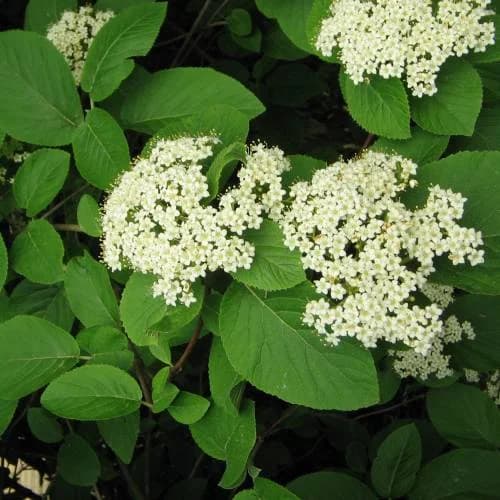
Viburnum lantana
A native shrub with white flowers and fruits that turn from red to black, very characteristic of the hedges and banks of the valley.
→ Native hedge, food for fauna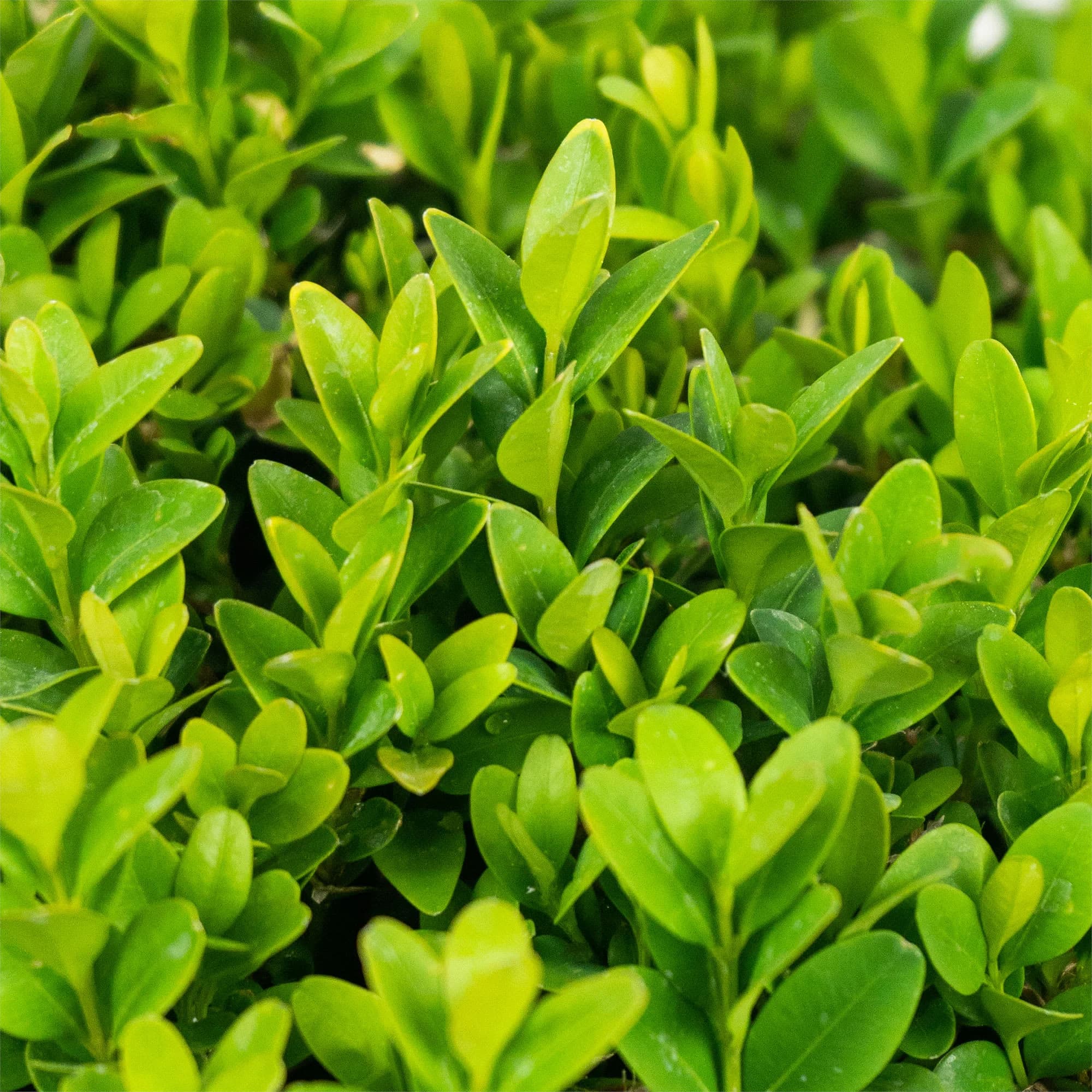
Buxus sempervirens
A slow-growing evergreen shrub, typical of the limestone soils of the area, offering permanent refuge to many invertebrates.
→ Invertebrate refuge, evergreen hedge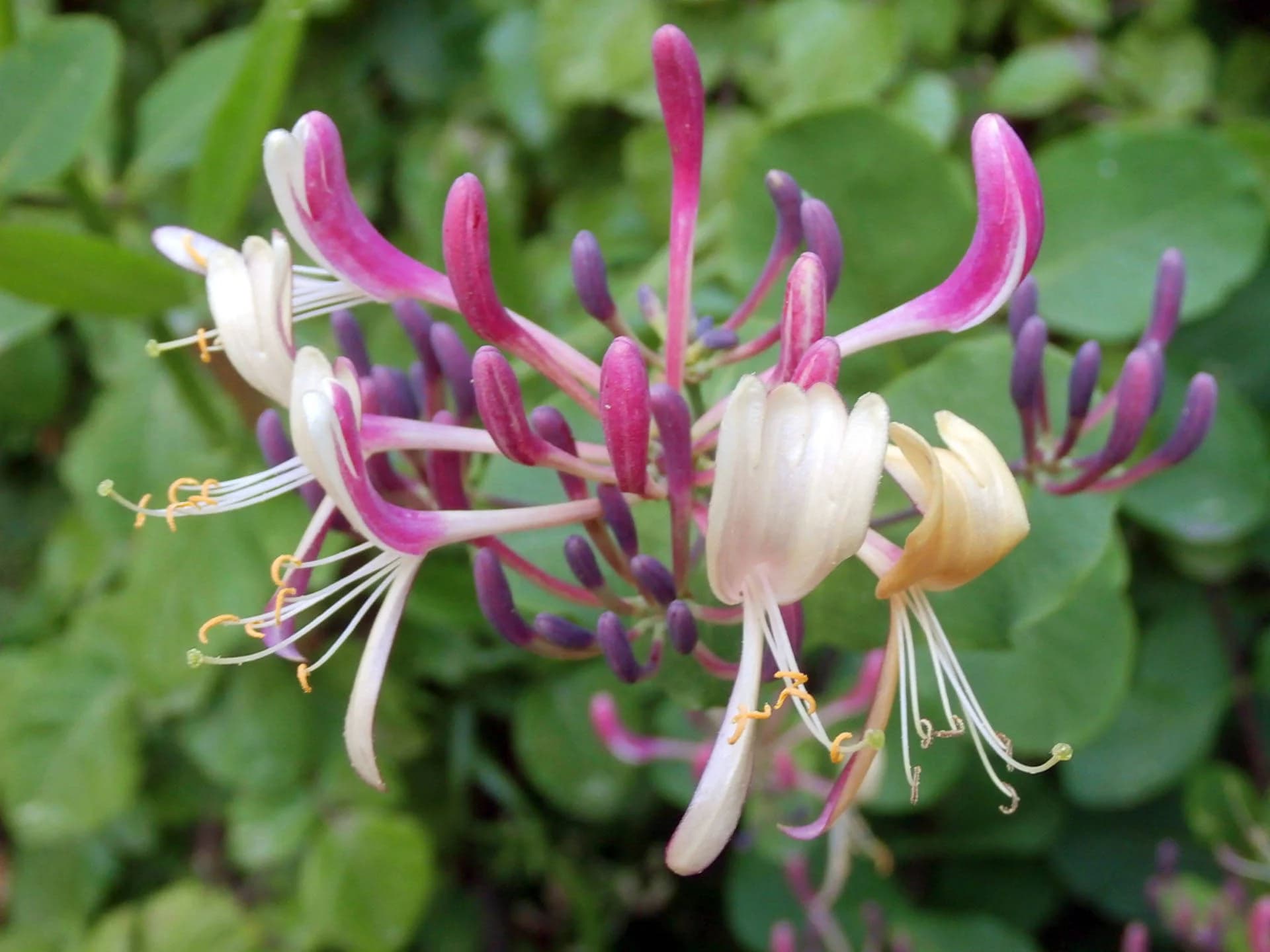
Lonicera
A climbing shrub with aromatic flowers that open at dusk, attractive to moths and other nocturnal pollinators.
→ Nocturnal pollination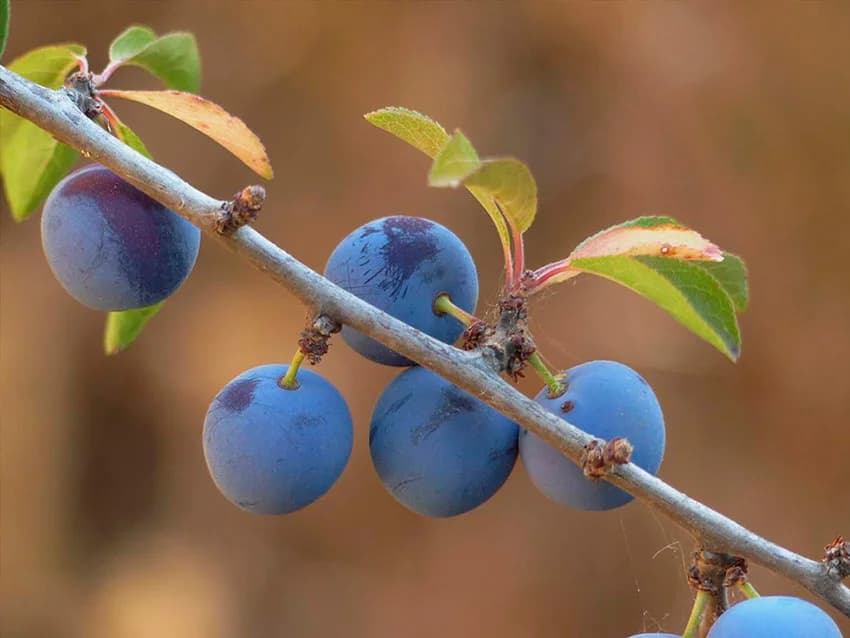
Prunus spinosa
A pioneer thorny shrub with very early flowering, essential as a first source of nectar; its sloes feed fauna in autumn.
→ Early pollination, protective thorny hedge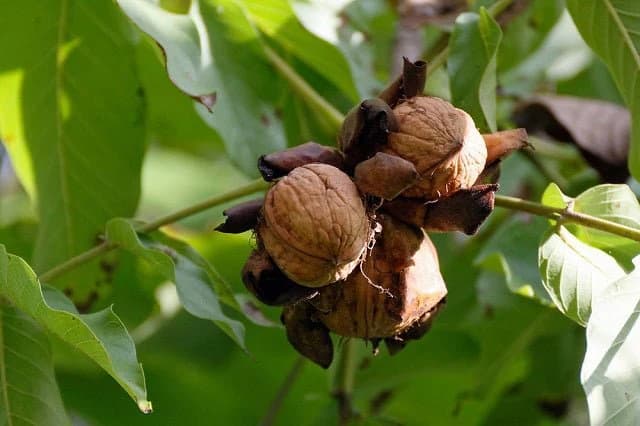
Juglans regia
A large tree that provides shade and nuts, offering refuge and food to birds and small mammals.
→ Shade, refuge and nuts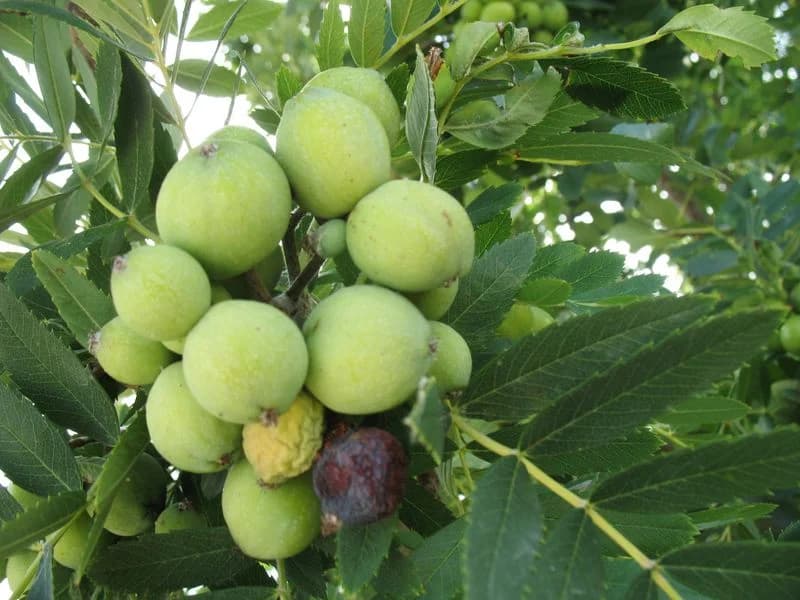
Malus domestica
A traditional valley apple tree whose blossom attracts pollinators and whose fruits feed local fauna.
→ Pollination and food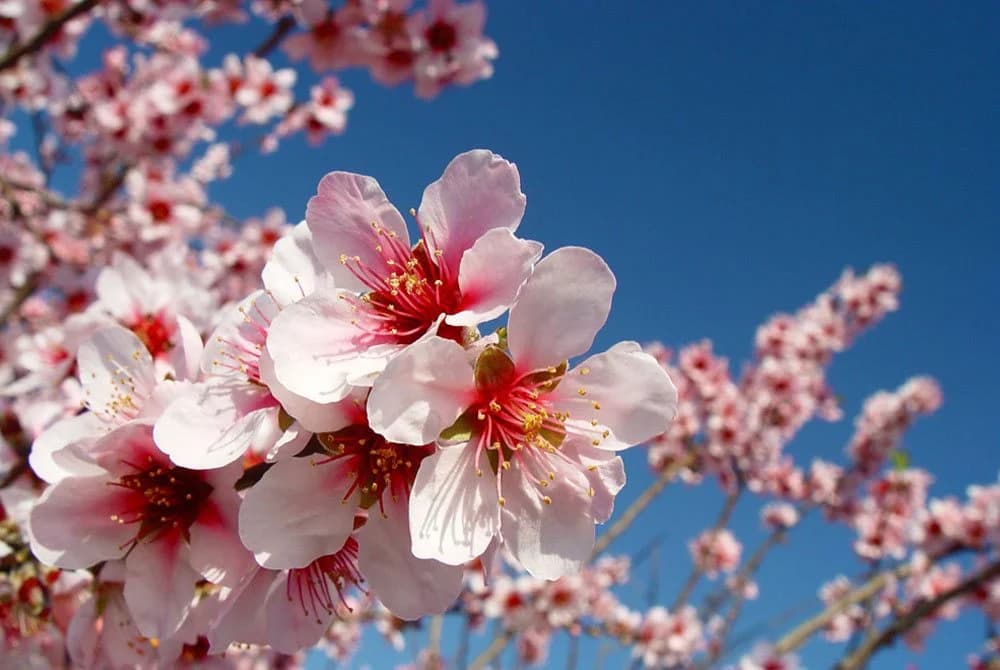
Prunus dulcis
A very early-flowering tree, the first source of nectar and pollen for bees at the end of winter.
→ Early nectar for pollinators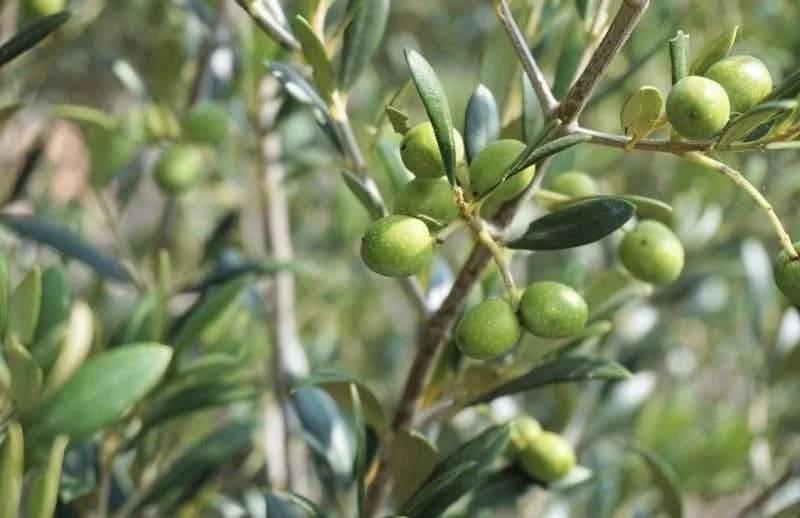
Olea europaea
An evergreen Mediterranean tree, a symbol of the area’s agricultural landscape and refuge for birds all year round.
→ Refuge, agricultural landscape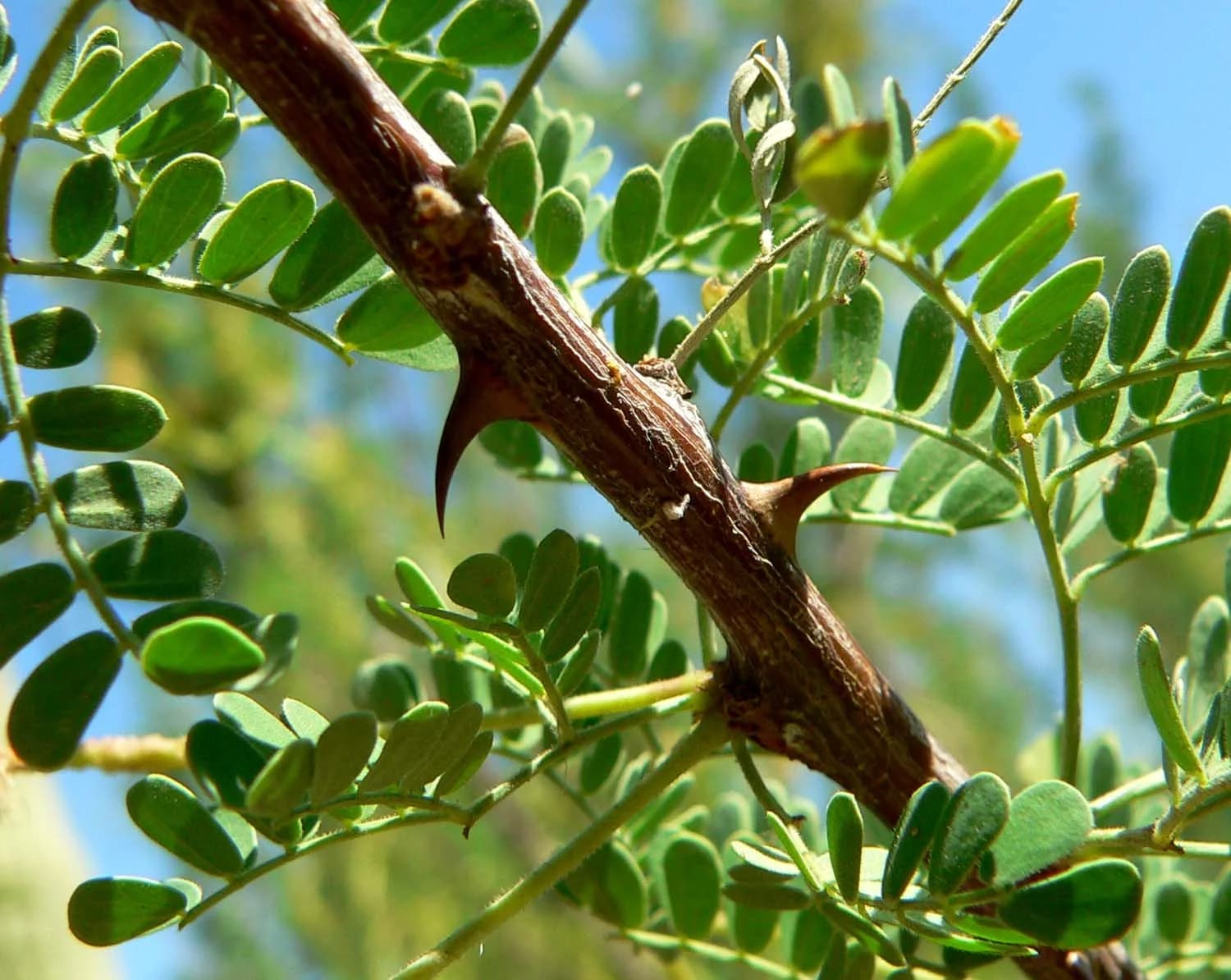
Robinia pseudoacacia
A tree with abundant honey-rich blossom and nitrogen-fixing roots that enrich the surrounding soil.
→ Nitrogen fixation, honey-rich blossom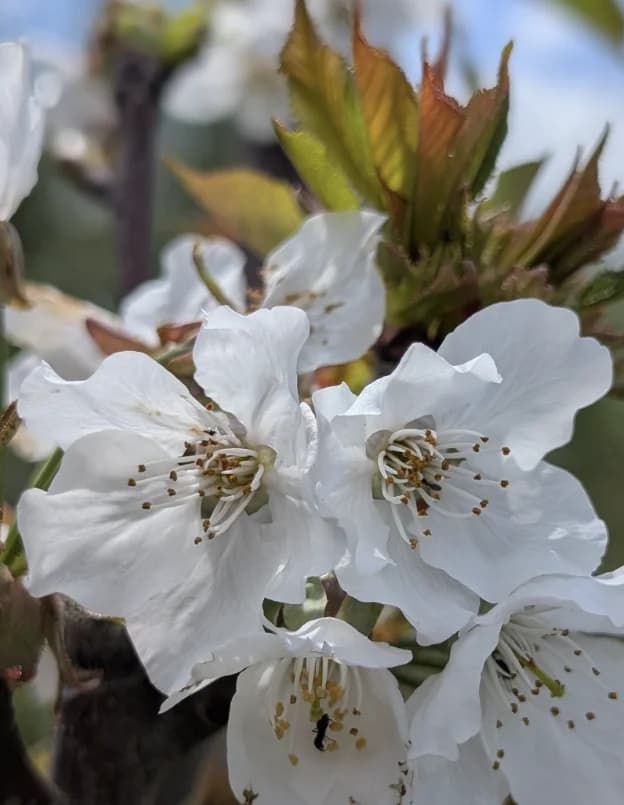
Prunus avium
A tree with spectacular spring blossom, much visited by bees, with fruits highly prized by birds.
→ Pollination, food for birds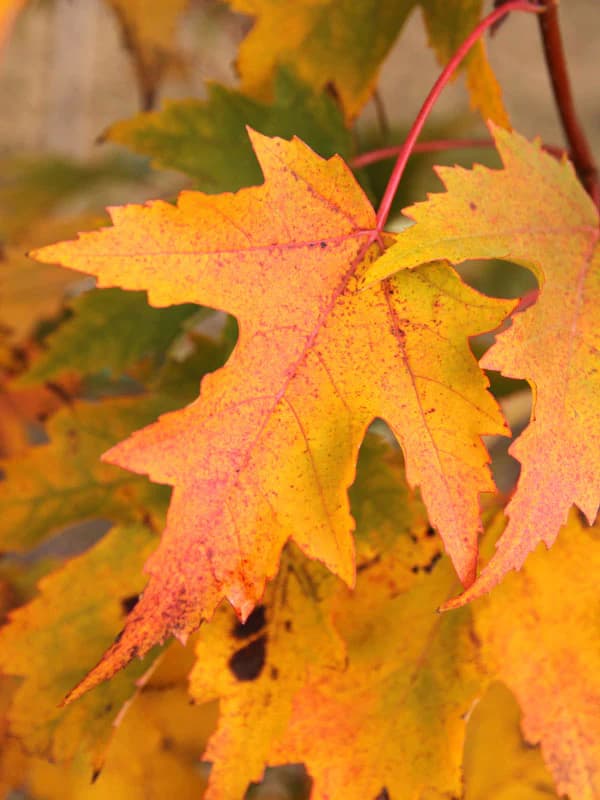
Acer campestre
A native tree of the valley’s groves and banks that provides shade and refuge to numerous insect and bird species.
→ Refuge, native tree hedge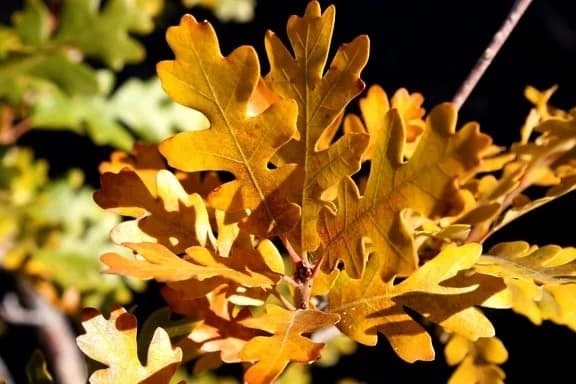
Quercus robur
An emblematic tree that sustains an enormous biodiversity of insects, birds, fungi and lichens; a true pillar of the native forest.
→ Pillar of forest biodiversity
Quercus ilex
A perennial, hardy tree, characteristic of the Navarrese environment, whose acorns and foliage offer refuge and food to fauna.
→ Refuge and acorns for faunaLiving ecosystem
The Otazu surroundings host a great diversity of plant and animal species that coexist within the estate. 16.8% of the surface is not vineyard: it is native woodland and scrub, hedgerows, field margins and flowering covers. In fact, the estate is surrounded by oak groves that act as a refuge for wildlife and a green lung for the area, reinforcing the natural balance of the ecosystem.
The Otazu vineyard is the only one in the area; with no neighbouring crops, it allows a low-intervention phytosanitary plan. Since 1996, Otazu was a pioneer in Navarra in the use of plant covers.
Source: Fundación Global Nature
The Otazu vineyard has worked with plant cover, low-intervention phytosanitary control and wildlife monitoring since 1996. Discover how we manage the estate.